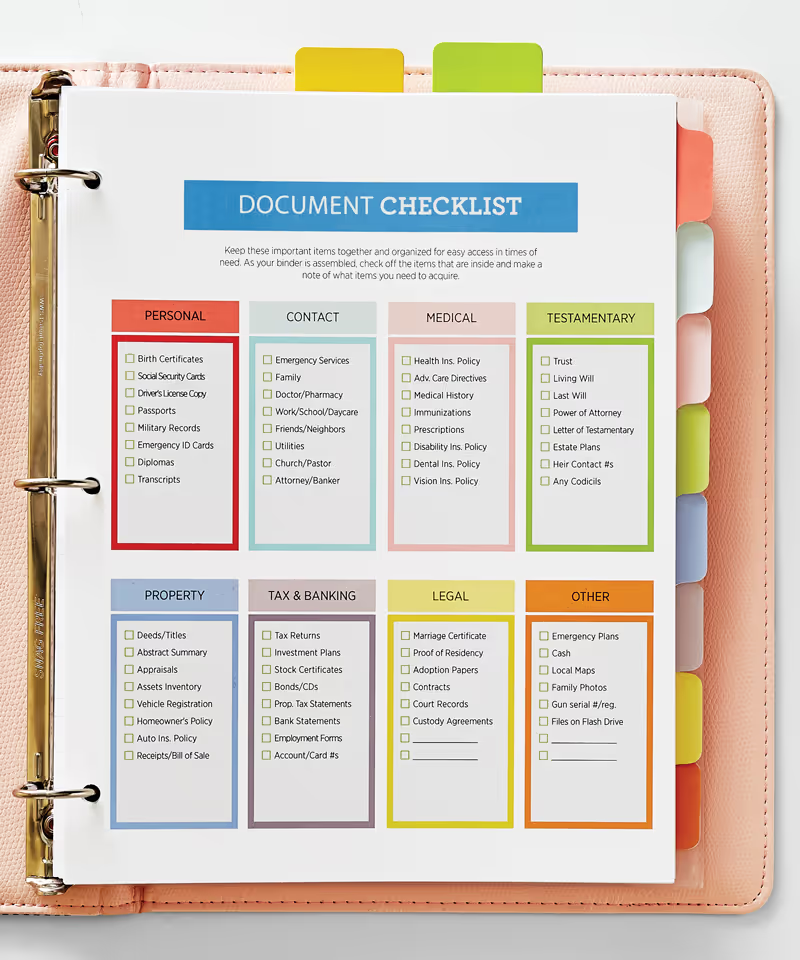

Get It Together
Put all your vital documents in order. Assemble a Household Document Binder that will keep all your important paperwork organized. You'll need a 3-ring binder with pockets, a 3-hole punch, dividers, clear binder sleeves and templates printed from the Life:Beautiful website.
Download templates for L:B-designed binder category forms, which will guide you as you place each document in the specific category where it belongs. This gives you a self-organizing system that anyone can follow when pulling together records, policies and personal information.
Focus on one category, such as Medical, at a time during the assembly process. Make copies of insurance, credit and ID cards, plus documents such as birth certificates, Social Security cards and passports. Storing documents in the order in which they appear on the checklist makes them easier to find when needed. For spare keys and other small objects, consider adding a zipper pouch to the binder.
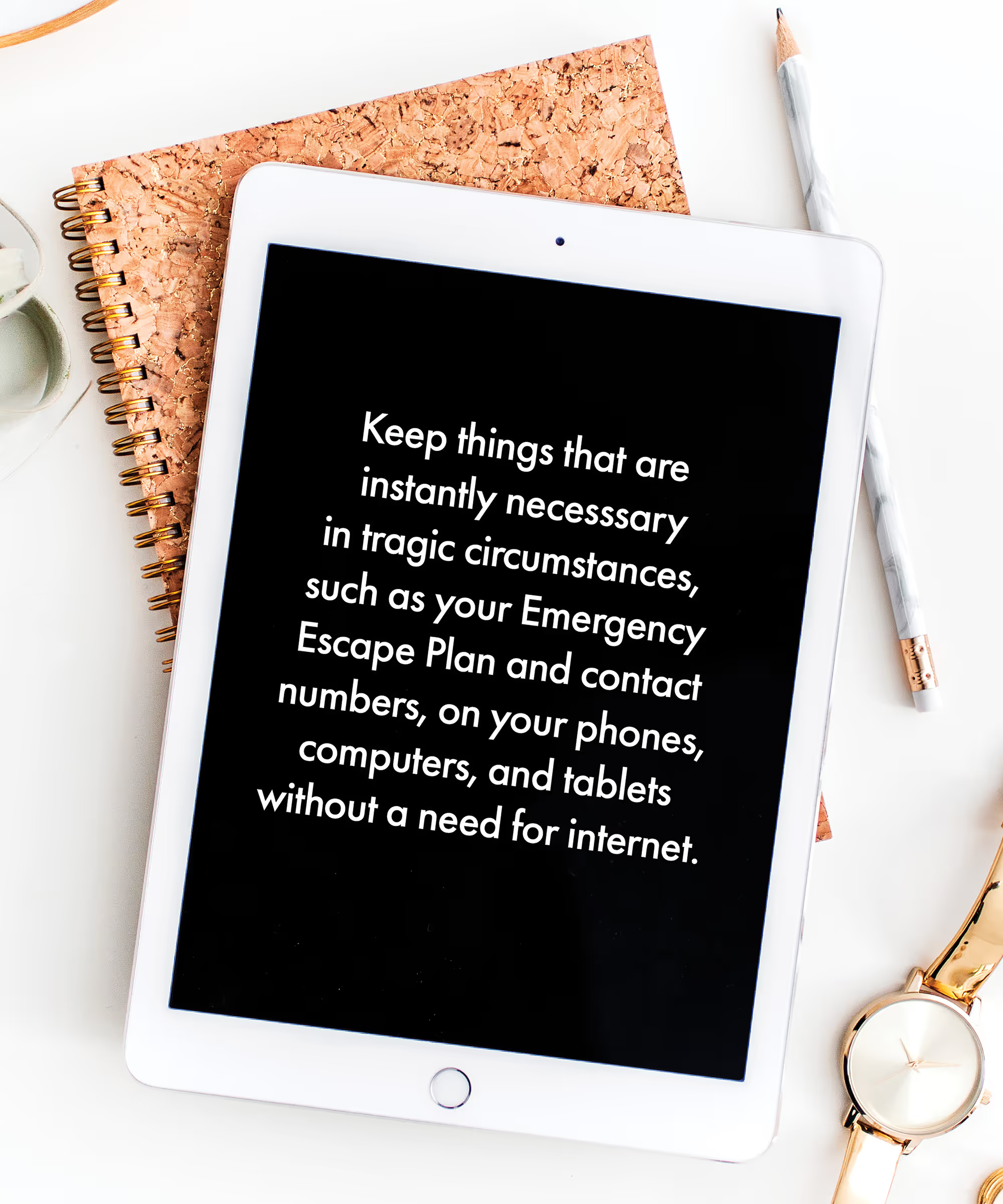
Also create a family Emergency Escape Plan for your family to follow in times of trouble, such as a fire or earthquake. Follow the tips in the Emergency Escape Plan section below, to make this plan.
Store your binder in a fireproof safe or lock-box at home. It's a good idea to make a second binder copy as a backup to store somewhere away from your home.
While having a completed document binder is a great resource, consider keeping only copies of birth certificates, Social Security cards, passports, housing abstracts, etc. in the binder. For safekeeping of your original documents, place them in a safety deposit box at your bank. Government planners recommend keeping 50 miles between your home and your safety deposit in case of localized natural disasters. Many people also like to keep digital copies of investment documents, legal records and bank statements saved in the cloud and on smart devices. Check out "The Importance of a Digital Plan," below.