Your cart

Product Title
Option 1 / Option 2 / Option 3
Subscription Plan Info
Product Discount (-$0)
COUPON1 (-$0)
$0
$0
-
+
Your cart is empty.
Enter discount code
Thank you! Your submission has been received!
Oops! Something went wrong while submitting the form.
Coupon1
Coupon2
Cart note
Subtotal
$0
COUPON2
-$0
Order Discount
-$0
Cart Total
$0

How to Save on Organic Groceries

Take advantage of preservative- and pesticide-free foods while staying on budget. Although organic food prices are often higher (due in part to special farming requirements needed to meet USDA standards), it is still possible to eat organic and save money. Follow these tips.
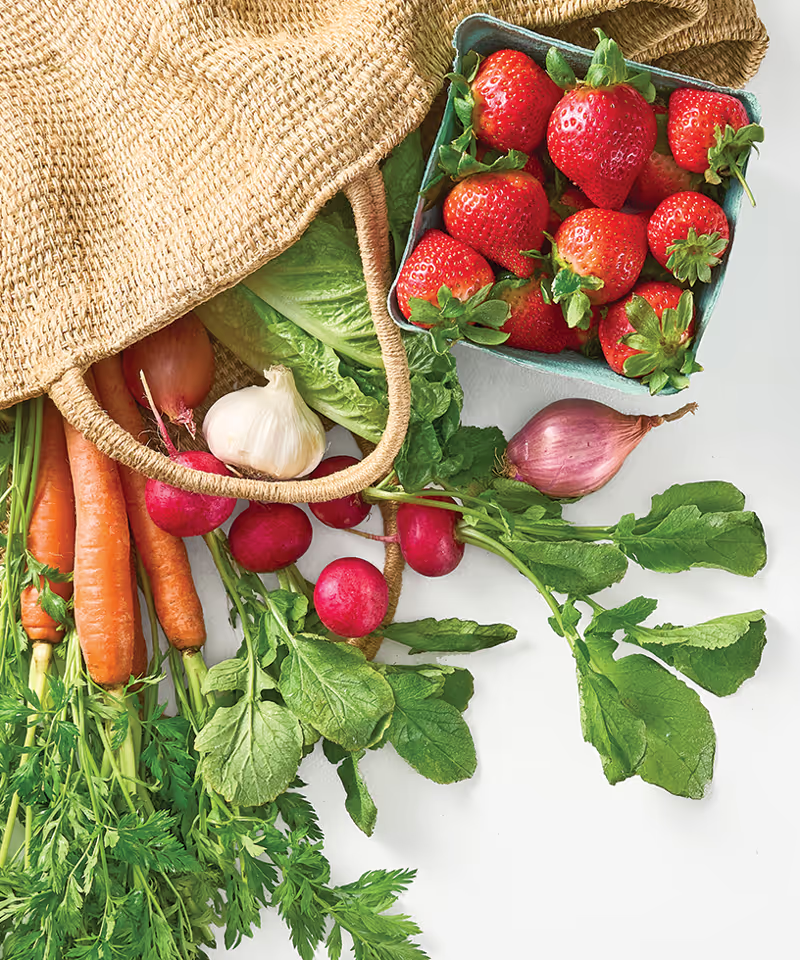
A woven market bag laying out on a surface with fresh carrots, radishes, garlic, shallots, strawberries, and herbs sticking out of it.

How to Save on Organic Groceries

Take advantage of preservative- and pesticide-free foods while staying on budget. Although organic food prices are often higher (due in part to special farming requirements needed to meet USDA standards), it is still possible to eat organic and save money. Follow these tips.
01
Prioritize

Decide which organic products will replace conventional products on your grocery list. Some foods you’ve been eating may not be problematic in terms of pesticides or preservatives, so you may feel comfortable continuing to buy nonorganic versions. Check out the Environmental Working Group’s annual “Dirty Dozen” and “Clean Fifteen” lists to find out which conventional produce has the most and least pesticide residues at ewg.org.
02
Shop local

Transportation, extra packaging and time required to bring produce to your area add costs that are passed on to consumers. Also, preservatives may be added to keep conventional food ripe for the long drive. Locally purchased groceries are more likely to be fresher than foods that took a road trip. Buying meat and produce from a farmer or neighbor and joining a food co-op can keep money in your pocket.

03
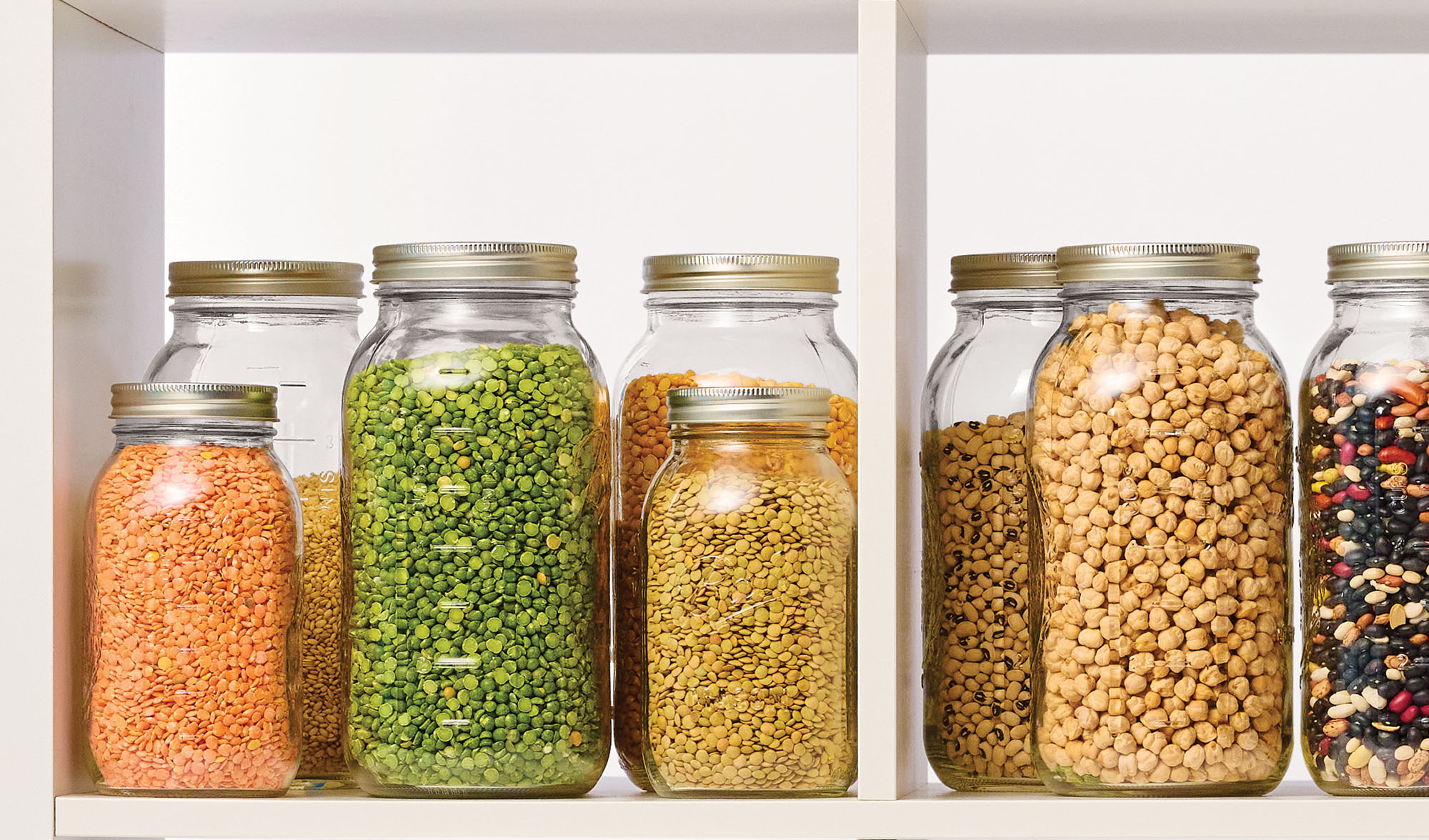
Purchase in bulk

Cook and freeze large portions as part of a weekly food prep routine. Or, if meal planning does not suit your household habits, a convenient surplus of long-lasting organic items such as nuts, dried beans, spices and canned goods may appeal to you.

04
Choose private label (store brand) items

Due to the rising popularity of organic groceries, finding organic food is easier than ever. In fact, many national brand stores as well as regional chains have begun manufacturing their own lines of organic food. Here are just a few:

  • Albertsons: O Organics
  • Aldi: Simply Nature
  • H-E-B: H-E-B Organics
  • Kroger: Simple Truth
  • Publix: GreenWise
  • Safeway: O Organics
  • Whole Foods: 365 Everyday Value
05
Buy in season

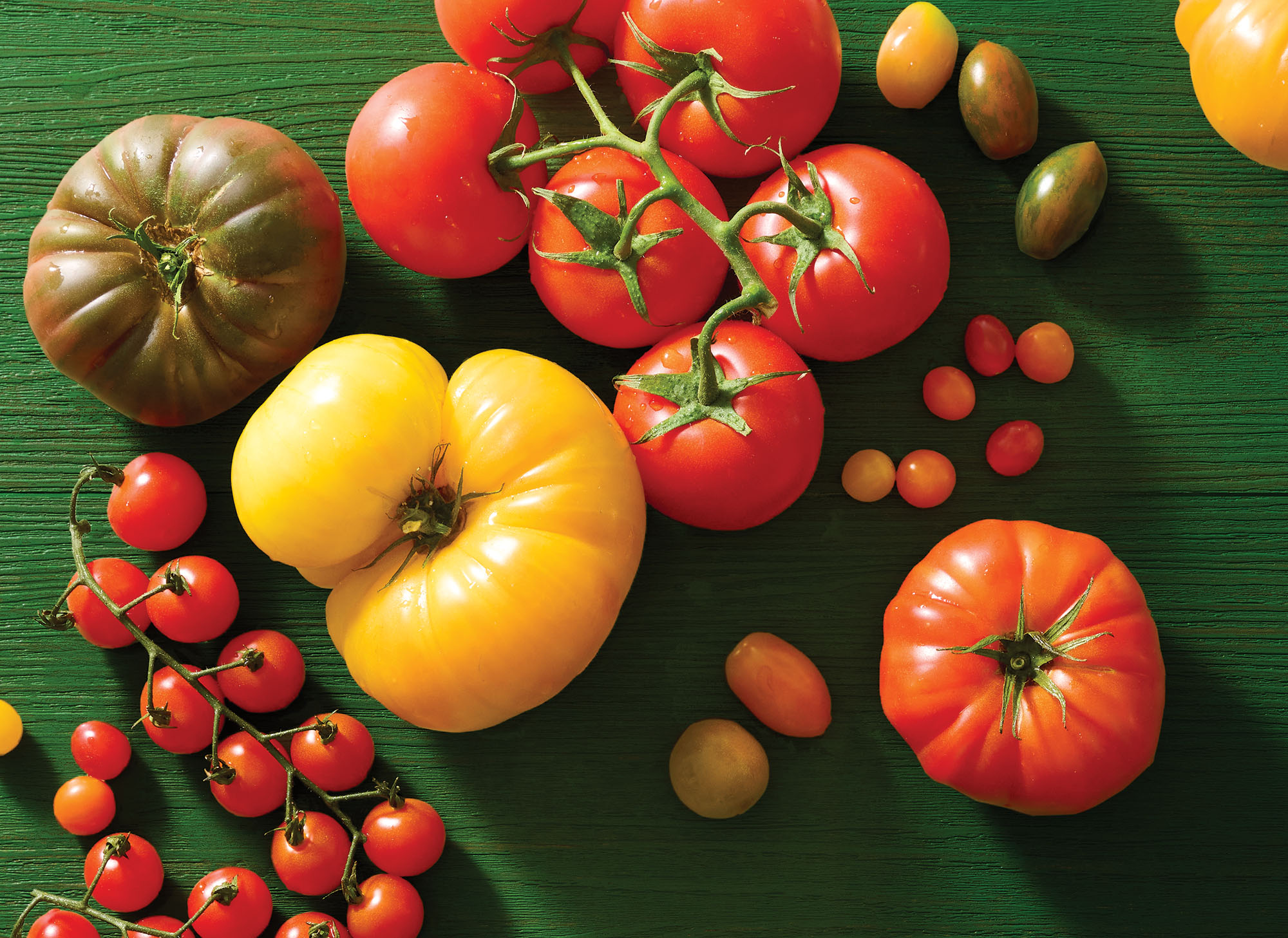
When crops are in abundance, expect cheaper food. In the Midwest, for example, summer sweet corn is so plentiful it is sold on street corners, yet in winter the texture, taste, price and availability do not compare. This is all due to harvest supply. Choose produce that aligns with available crops to save big.

06
Try Tech-Savvy Savings:
  • Use a free cash-back app. Download the app, scan the item’s barcode, upload your receipt and redeem an offer to earn points. A few cash-back apps geared toward organic, natural foods and lifestyle include Makeena and BerryCart.
  • Shop online. Visit your favorite online home-delivery stores for organic foods in all portion sizes. Online shopping offers the opportunity to try numerous brands to find the best price for the flavors you enjoy. Websites often offer savings.
  • Get creative. Websites such as Cardpool offer discounted gift cards so you can shop for organic foods at stores such as Whole Foods. Once you have a few favorite brands of organic foods, start visiting their websites and looking for their coupon sections. A little planning can save a lot of money!

More

Stories

No items found.
Read more

More

Food

Stories

Read more

Related Categories