Your cart

Product Title
Option 1 / Option 2 / Option 3
Subscription Plan Info
Product Discount (-$0)
COUPON1 (-$0)
$0
$0
-
+
Your cart is empty.
Enter discount code
Thank you! Your submission has been received!
Oops! Something went wrong while submitting the form.
Coupon1
Coupon2
Cart note
Subtotal
$0
COUPON2
-$0
Order Discount
-$0
Cart Total
$0

How to Make Classic Pesto

Whirl ingredients together in a blender to make this brilliant summer-fresh sauce or paste starring fresh basil. Add it to pasta, pizza, sandwiches, roasted vegetables or grilled chicken—pesto elevates the flavor of so many foods.
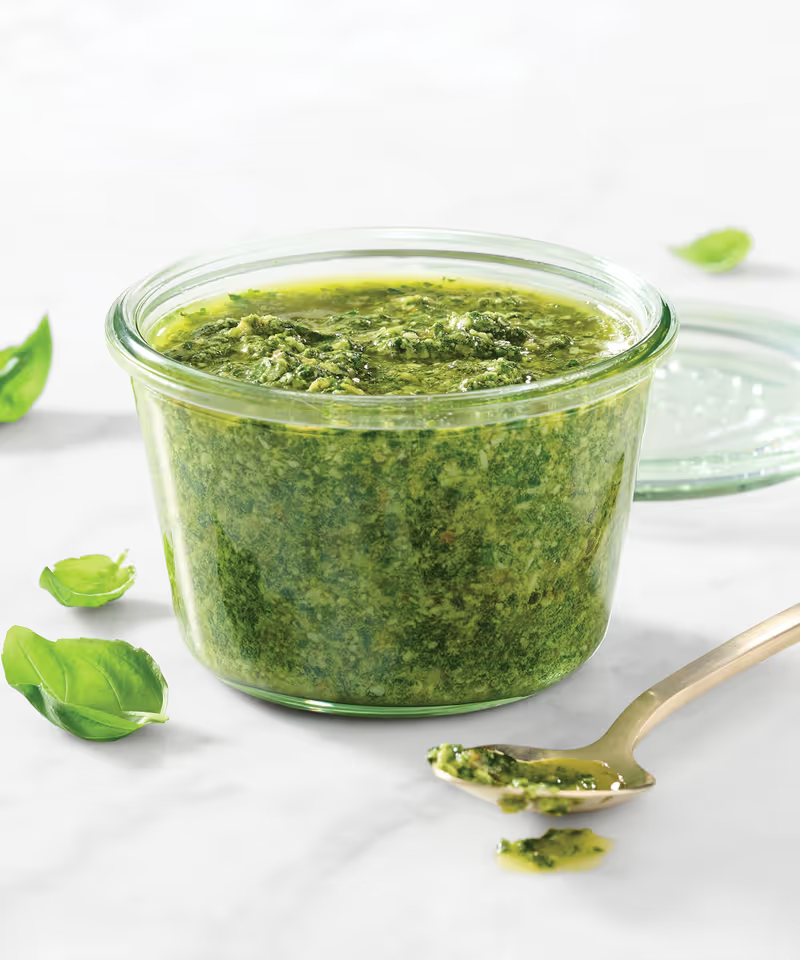
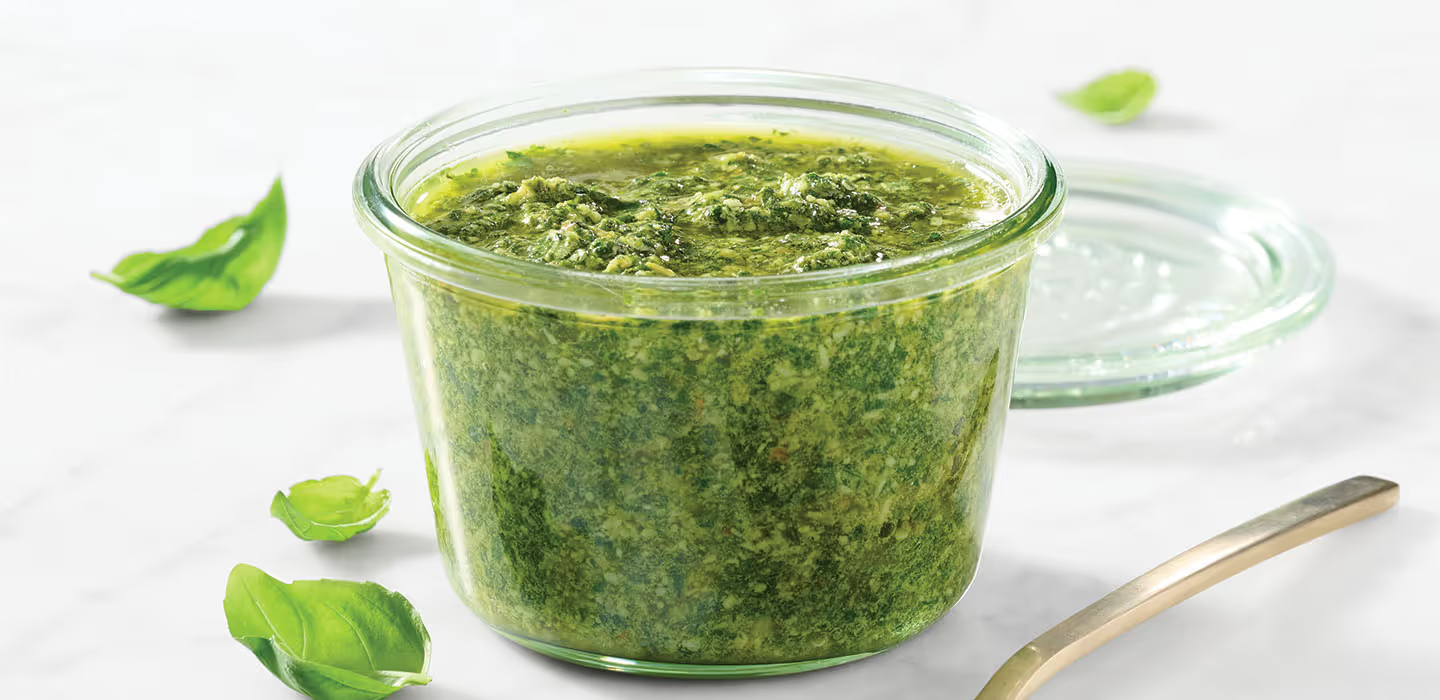
A glass jar of pesto sauce with fresh basil and a spoon on a marble surface.

How to Make Classic Pesto

Whirl ingredients together in a blender to make this brilliant summer-fresh sauce or paste starring fresh basil. Add it to pasta, pizza, sandwiches, roasted vegetables or grilled chicken—pesto elevates the flavor of so many foods.
A glass jar of pesto sauce with fresh basil and a spoon on a marble surface.

Pesto’s origin is Genoa, where cooks used mortars and pestles to grind basil leaves, pine nuts, garlic and cheese together, then mixed in olive oil. This basic, versatile sauce is now a breeze to blend in a food processor for a sauce, paste or dip. Most recipes call for fresh basil, pine nuts, a cheese—Parmesan, pecorino or a blend, usually—and extra-virgin olive oil. Aromatic, fresh-flavor basil marries well with the umami taste of cheese and the fullness of olive oil. Pesto is popular mixed with pasta along with cooked potatoes and green beans. It’s delicious spread on grilled sandwiches, drizzled on cooked vegetables or minestrone, added to flat-bread pizzas and served as a dip for pita chips, raw veggies or focaccia bread. Experiment with ingredients for this basic sauce. Swap fresh spinach or arugula for basil, try walnuts instead of pine nuts or add a different Italian-style hard cheese.

Key Pesto Ingredients

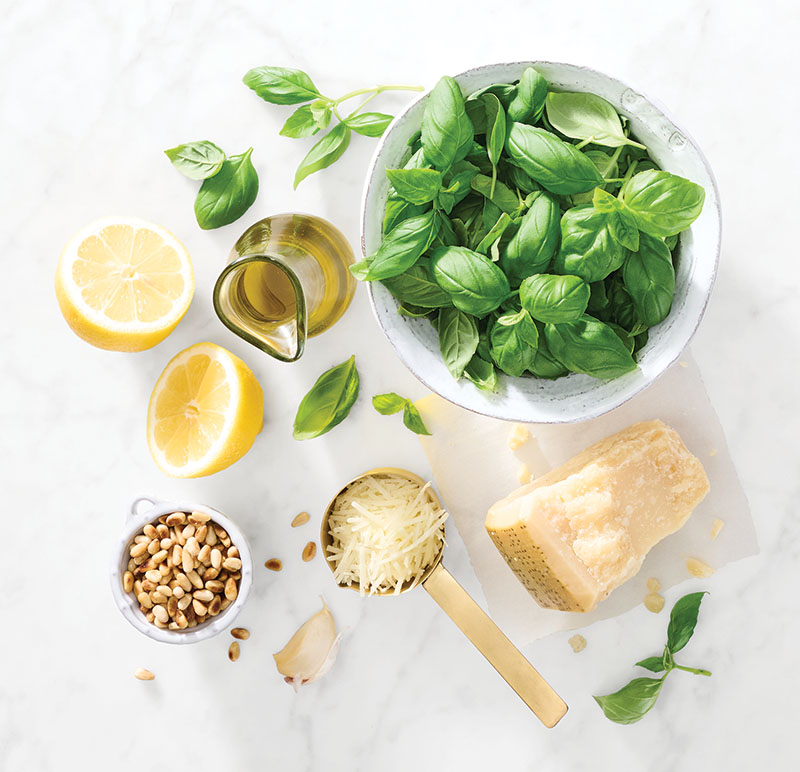
Basil: Italian basil is a good choice. Rinse and pat dry before using. If desired, swap some or all with spinach, arugula and/or parsley.

Olive Oil: Extra-virgin olive oil supplies a smooth, rounded flavor for the aromatic basil and garlic. As the main liquid, it smooths the cheese into the other ingredients. Choose a good-quality olive oil.

Pine Nuts: Most recipes call for toasted pine nuts, as they add a subtle buttery flavor. Toast pine nuts in a small nonstick skillet until fragrant; cool slightly. Other nuts to try: walnuts, almonds, pistachios.

Parmesan: Flavorful yet not too sharp or salty, Parmesan (Parmigiano-Reggiano) balances pesto’s ingredients. Also try asiago or Pecorino Romano.

Garlic: If making a larger amount of pesto, roast garlic to give it a toasty, slightly sweet flavor with less bite. Peel outer layers of whole bulb, then cut a slice off the top of the cloves. Drizzle with olive oil, wrap in foil and place in small baking dish. Roast up to 60 minutes in 350°F oven.

Lemon: Fresh lemon juice adds a zesty citrus note to pesto. The juice of one lemon equals about 2 tablespoons.

How to Make Classic Genovese Pesto

See the Classic Genovese Pesto recipe

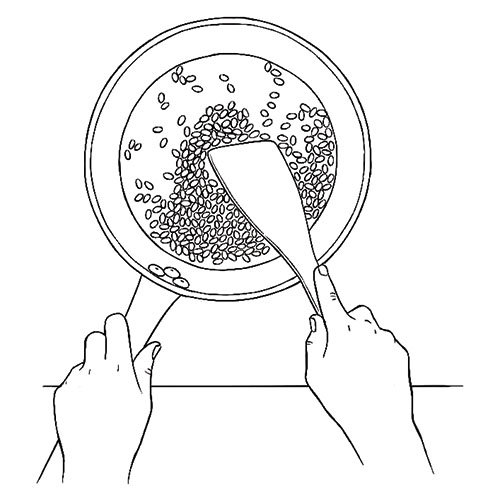
1. Toast ¼ cup pine nuts in a small nonstick skillet over medium heat for 2 to 3 minutes until toasted and fragrant, stirring frequently. Cool slightly.

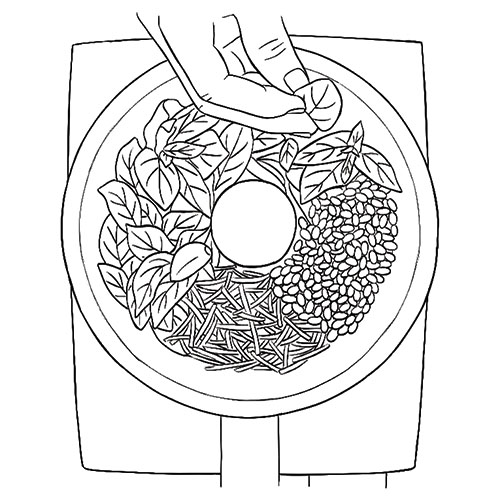
2. In a large food processor, combine pine nuts, 5 cups packed fresh basil, 1 large clove garlic, ¼ cup each freshly grated Parmigiano-Reggiano and Pecorino Romano cheese, and 2 tablespoons fresh lemon juice.

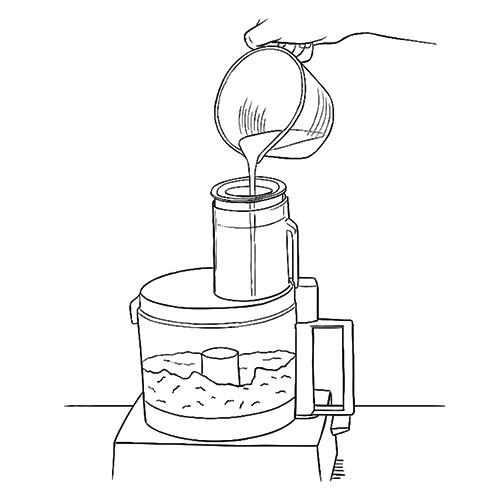
3. Cover; pulse until coarsely chopped, scraping down sides as needed. Add ½ cup to ¾ cup extra-virgin olive oil and process until just combined.

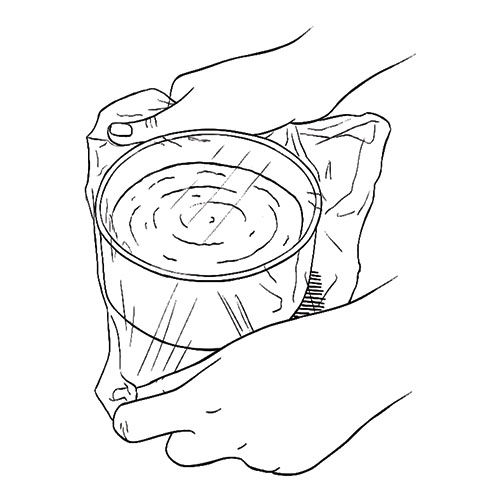
4. Transfer to small serving bowl, or cover with plastic wrap, and set in fridge. If desired, just before serving, add a small amount of olive oil.

More

Vegetables

Stories

Read more
3 Ways to Use Pesto
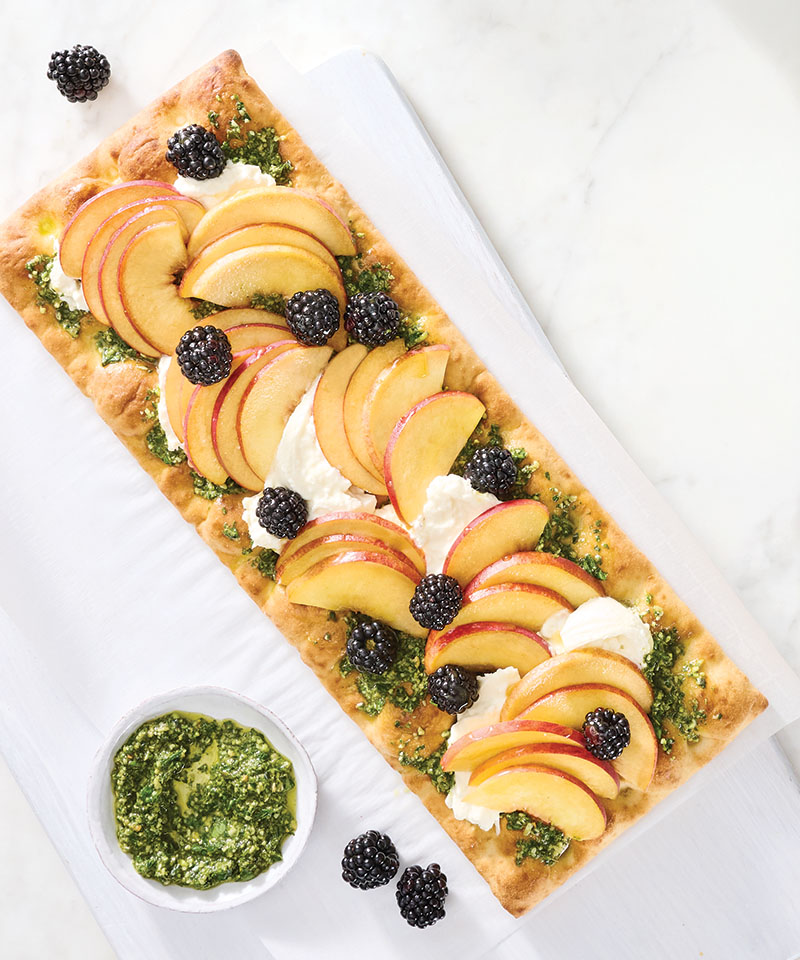
Peach-and-Blackberry Flatbreads

Basil pesto sauce offers a tasty contrast to fresh fruit and creamy burrata cheese.


View recipe

Pesto Pasta Salad

Asparagus and edamame cook with fusilli pasta. Once chilled, the mix gets tossed with pesto and garnished with pine nuts, watercress and basil.


View recipe

Pesto Chicken Kabobs

Chicken pieces marinate in pesto for 30 minutes then are threaded onto skewers and grilled. Cherry tomatoes, grilled until slightly charred, are brushed with pesto and added, along with the kabobs, to a bed of cooked white quinoa.


View recipe

How to Store Pesto


Keep in refrigerator up to 3 days or in freezer up to 1 month. Thaw frozen pesto in fridge overnight.

More

Food

Stories

Read more

Related Categories