Your cart

Product Title
Option 1 / Option 2 / Option 3
Subscription Plan Info
Product Discount (-$0)
COUPON1 (-$0)
$0
$0
-
+
Your cart is empty.
Enter discount code
Thank you! Your submission has been received!
Oops! Something went wrong while submitting the form.
Coupon1
Coupon2
Cart note
Subtotal
$0
COUPON2
-$0
Order Discount
-$0
Cart Total
$0

How to Make Gravy

There’s something undeniably comforting about pouring warm, velvety gravy over a plate of holiday favorites. It’s the finishing touch that brings everything together, whether you’re serving tender roast beef, golden turkey, juicy pork chops, or a mountain of buttery mashed potatoes.
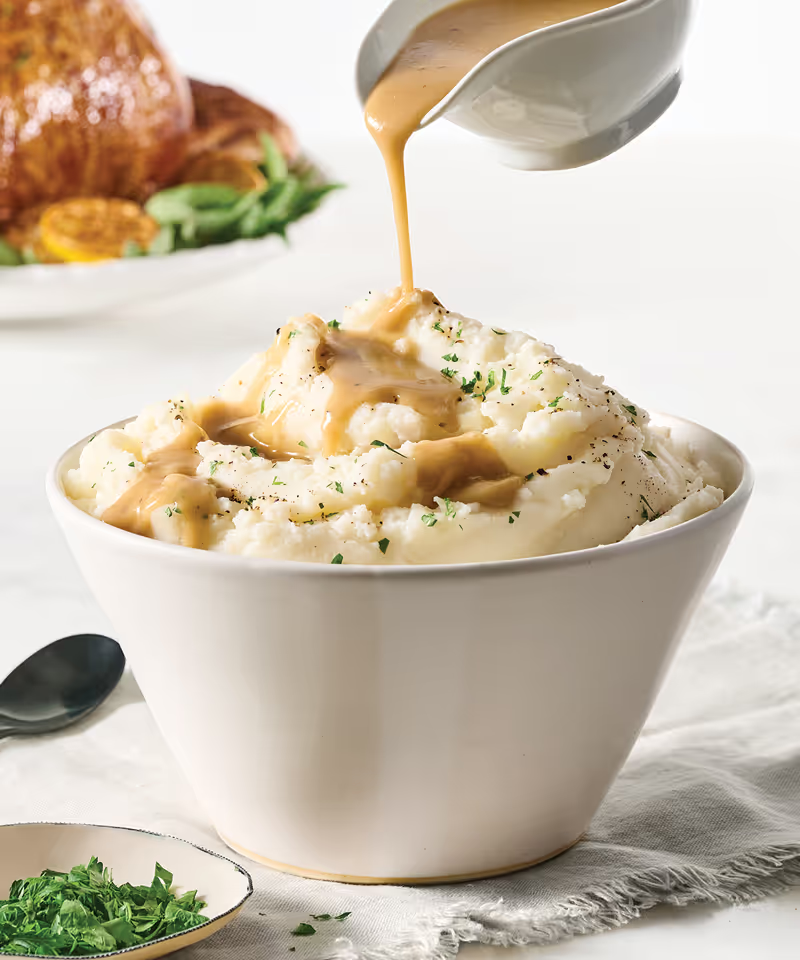
A bowl of mashed potatoes with gravy being poured on top.

How to Make Gravy

There’s something undeniably comforting about pouring warm, velvety gravy over a plate of holiday favorites. It’s the finishing touch that brings everything together, whether you’re serving tender roast beef, golden turkey, juicy pork chops, or a mountain of buttery mashed potatoes.

Gravy is the savory, versatile sauce everyone expects at Thanksgiving, Christmas, and beyond. Made from flavorful pan drippings and brown bits mellowed with stock, it adds moisture to dishes that can sometimes be a little dry—especially meats and dressing. Thickened with a roux, a simple blend of flour and butter, it achieves that perfect smooth consistency.

Whether you want a classic brown gravy that enhances beef and poultry, a turkey gravy that brightens creamy mashed potatoes, a savory pork gravy with mushrooms, thyme, and sage, or a creamy white gravy with crumbled sausage poured over hot biscuits—this guide will help you make the perfect gravy to elevate every meal.

Choose the Right Thickener


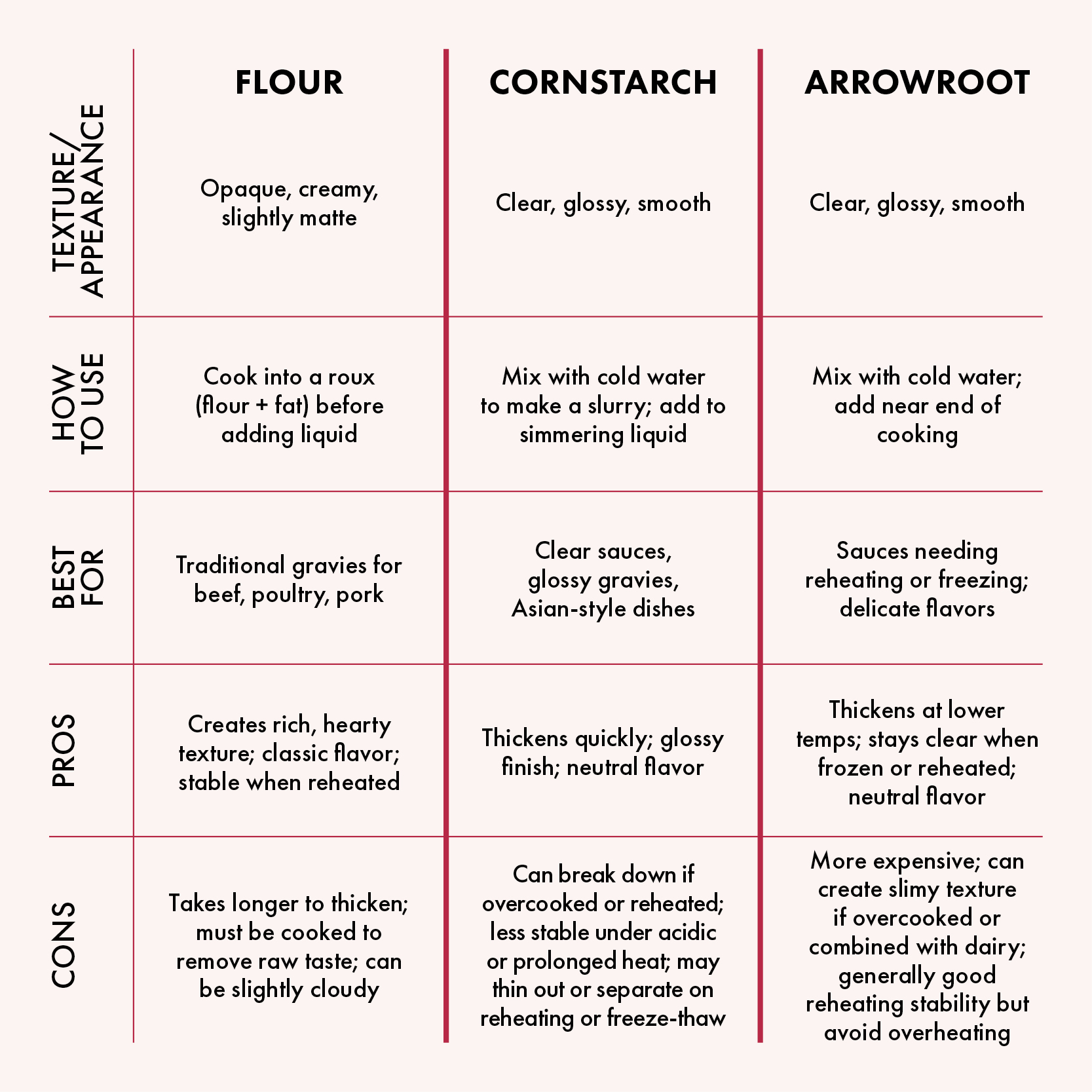
The texture and finish of your gravy hinge on the thickener you choose. Use this quick guide to find the perfect match for your dish.

How to Make Classic Turkey Gravy

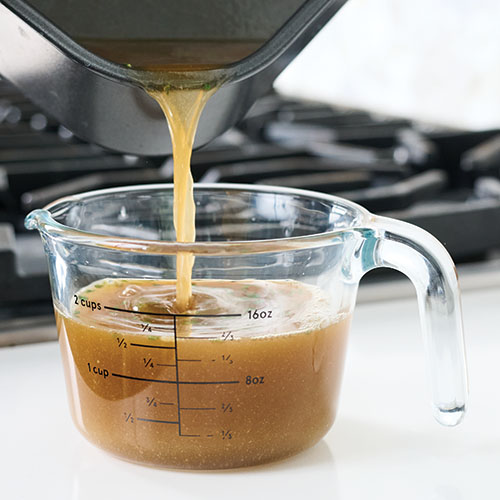
1. Transfer roasted turkey to a serving platter. Pour roasting-pan drippings into a 2-cup glass measuring cup. Scrape browned bits from the pan into the cup.

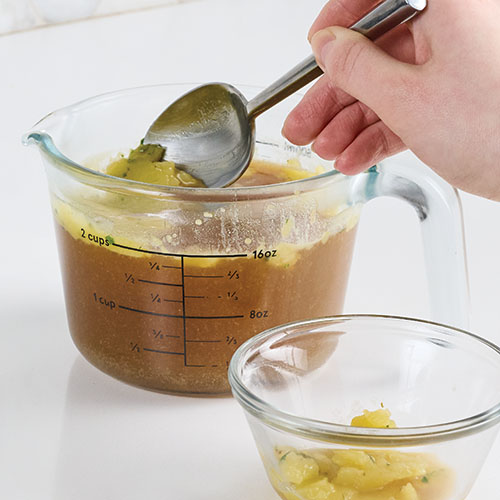
2. Use a spoon to skim fat from top of the drippings in the cup; set aside.

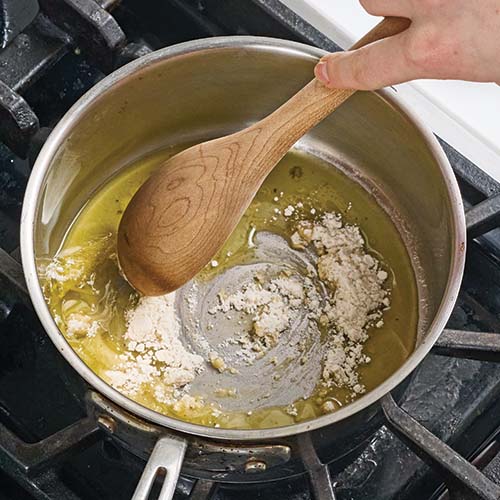
3. In a medium skillet add ¼ cup of skimmed-off fat in Step 2. If you don’t have that total amount, add enough melted butter to yield ¼ cup fat. Stir in ¼ cup all-purpose flour.

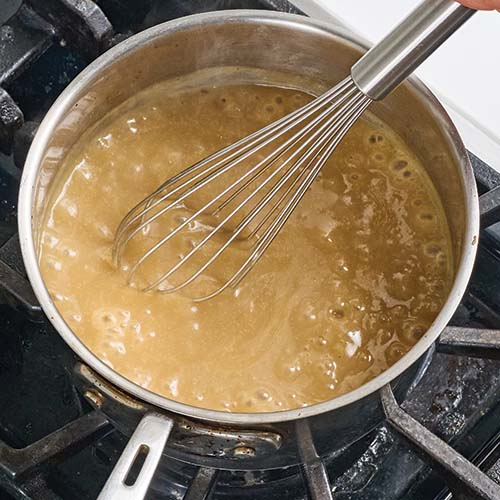
4. Add enough chicken broth to the glass measuring cup of drippings to yield 2 cups. Pour into flour mixture in skillet; cook and whisk over medium heat until thickened and bubbly. Strain gravy through a fine-mesh sieve into a serving dish. Season to taste with salt, pepper, and fresh herbs, if desired.

Common Gravy Issues


Too Thin? Make a roux by cooking equal parts butter and flour for 1–2 minutes, then whisk in your thin gravy a little at a time until thickened. Alternatively, mix flour or cornstarch with cold water to make a slurry and whisk it into the simmering gravy until it thickens.

Too Thick? Thin with additional stock or broth.

Lumpy? Strain through a fine-mesh sieve, or blend using an immersion or countertop blender until smooth.

Bland? Boost flavor with more than just salt and pepper—try sautéed onions or garlic, fresh chopped herbs (like rosemary, thyme, or sage), or a small spoonful of Dijon mustard.

More

Cooking

Stories

Read more
3 Gravies that Impress
Classic Turkey Gravy

The savory drippings of an herbed roast turkey are whisked together with flour and rich chicken broth for a smooth, well-balanced gravy. Ladled generously over tender turkey, creamy mashed potatoes, or hearty stuffing, it brings all the flavors of the holiday table together.

View recipe

Herb-Roasted Beef Gravy

Fresh rosemary and thyme are the stars of this herb-forward brown gravy, lending a fragrant, woodsy complexity that cuts through the richness of the beef. Built on caramelized pan drippings from a roasted boneless ribeye, the gravy is silky, savory, and layered with flavor—an ideal match for a perfectly cooked holiday roast.

View recipe

Pork Sausage Gravy with Biscuits

Crispy, golden-browned breakfast sausage infuses a rich, creamy gravy made with whole milk, a touch of Dijon mustard, savory sausage drippings, and warm hints of nutmeg and crushed red pepper. The result is a deeply flavorful, slightly spicy sauce that’s poured generously over warm, fluffy biscuits fresh from the oven—comfort food at its most satisfying.

View recipe

How to Store and Reheat Gravy


Transfer cooled gravy to an airtight container and refrigerate up to 4 days. Reheat gently over low heat, stirring often. Flour-based gravies hold up well to reheating and freezing. Cornstarch-based gravies can thin or separate if overheated—reheat quickly and avoid prolonged simmering. Arrowroot-thickened gravies reheat well but avoid overheating to prevent sliminess.

More

Food

Stories

Read more

Related Categories