Your cart

Product Title
Option 1 / Option 2 / Option 3
Subscription Plan Info
Product Discount (-$0)
COUPON1 (-$0)
$0
$0
-
+
Your cart is empty.
Enter discount code
Thank you! Your submission has been received!
Oops! Something went wrong while submitting the form.
Coupon1
Coupon2
Cart note
Subtotal
$0
COUPON2
-$0
Order Discount
-$0
Cart Total
$0

Where We Bloom

Trusting God’s plan for your life is the secret to contentment, but embracing the place that God has planted you can be hard. Even Adam and Eve, living in the Garden of Eden, wrestled with discontentment, wanting more than what God had given them. Our world today delivers instant gratification, which erodes the joyful contentment the Lord God intends for us. If you want to embark on a journey to contentment, bloom where you’re planted—which simply means serve with a joyful heart, even through hobbies like gardening. The benefits of tending the earth are many, from beautiful blooms we can share, to exercise, to improved mental health. Gardening also brings the Scriptures to life, giving insight into practices like sowing, reaping and pruning, topics that Jesus taught.
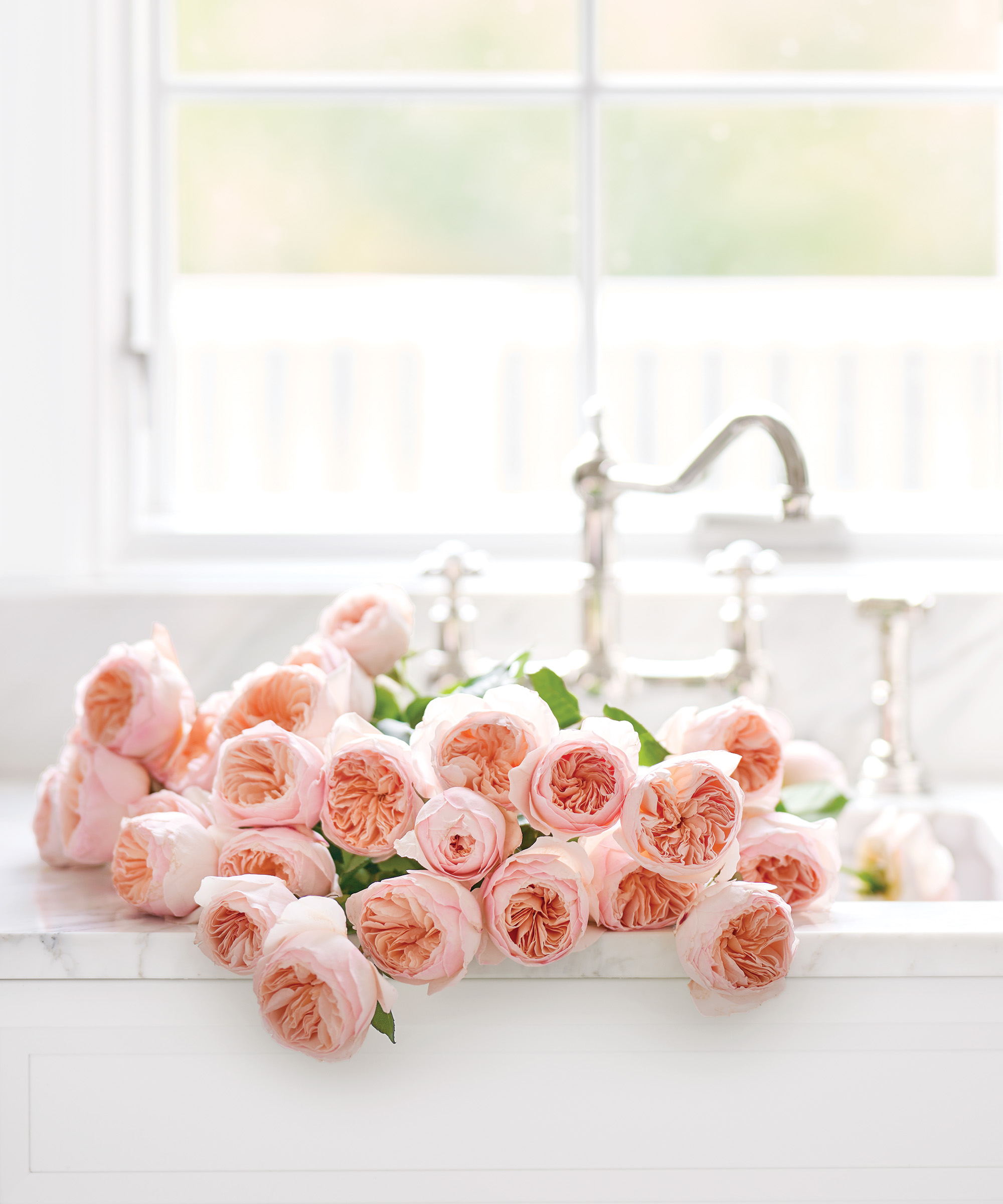
A white kitchen sink filled with pink blooming flowers.

Where We Bloom

Trusting God’s plan for your life is the secret to contentment, but embracing the place that God has planted you can be hard. Even Adam and Eve, living in the Garden of Eden, wrestled with discontentment, wanting more than what God had given them. Our world today delivers instant gratification, which erodes the joyful contentment the Lord God intends for us. If you want to embark on a journey to contentment, bloom where you’re planted—which simply means serve with a joyful heart, even through hobbies like gardening. The benefits of tending the earth are many, from beautiful blooms we can share, to exercise, to improved mental health. Gardening also brings the Scriptures to life, giving insight into practices like sowing, reaping and pruning, topics that Jesus taught.
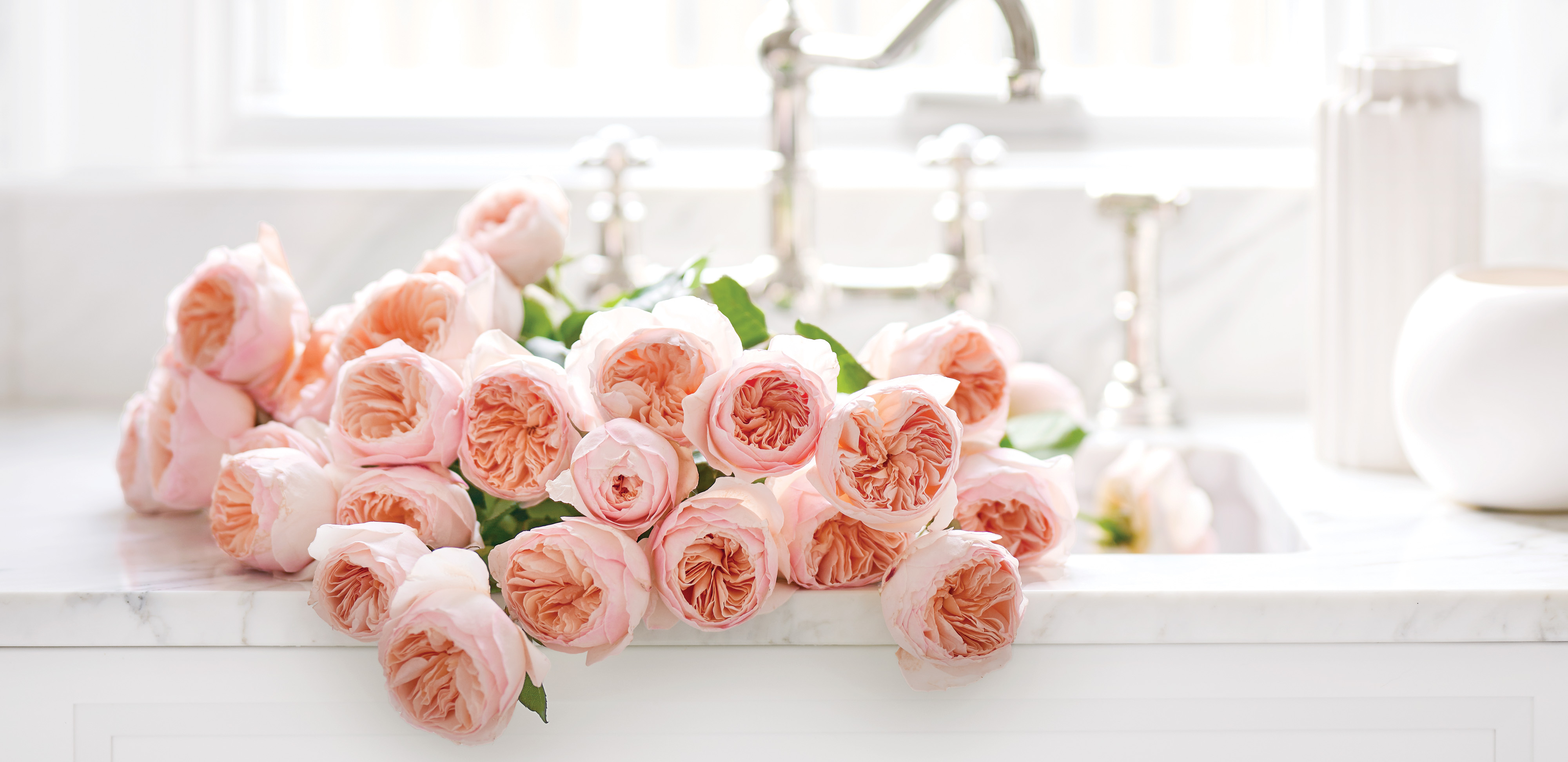
A white kitchen sink filled with pink blooming flowers.
Get started growing


Assess your options.
The first step to beginning a garden is figuring out where to put it. Do you have room in your yard for a raised bed? Or do you need to garden in containers on a deck?

Evaluate sunlight. Part of selecting your garden’s location depends on how much sunlight you have. Some flowers, like Queen Anne’s lace, need a whole day of sun to grow their best. Others, like shrub roses, need at least six hours of sun daily. Astilbe is a shade-loving plant. The amount of sunlight your growing area receives defines what you
can grow.

Choose what to grow. This is the fun part. Learn about plants through a local garden center or from YouTube gardeners. Look to books and magazines for inspiration, and the local county extension office or Master Gardeners for educational resources. To hone your plant list, think about colors you like and if you want flowers for bouquets. Consider using a mix of shrubs, annuals (plants that live for just one growing season) and perennials (plants that come back year after year).

Start with good soil. In the parable of the sower (Matthew 13:1–23), Jesus revealed a great gardening secret: If you want seed to grow strong and healthy, it needs good soil. A garden adage says, “Put a $5 plant in a $10 hole.” Invest in creating well-aerated soil that contains nutrients, and you’ll be rewarded with healthy plants.

Don’t start too big. This is probably the top mistake new gardeners make: planting too large a garden that leads to feeling overwhelmed. You can always expand your garden over time. One thing that gardening teaches us is patience. There’s always next year to refine and change your designs.


Above: Fill your garden with blossoms perfect for cutting and setting into vases, like this bouquet of anemone, freesia, ranunculus and lisianthus.

Right: Hydrangea is a shrub that, once mature, yields plenty of flowers for cutting.

Gardens in Scripture

The Bible contains strong precedence for gardening, starting with Adam’s mandate to tend and keep the Garden of Eden (Genesis 2:15). Mary Magdalene mistook Jesus as a gardener after His resurrection (John 20:11–15), a mistaken identity that actually suited a Savior who often related spiritual truths to garden practices. His lessons on pruning in order to bear fruit (John 15:1–8), storing the harvest instead of sharing (Luke 12:16–21) and waiting before removing a fig tree (Luke 13:6–9) present a reflection of how Jesus cultivates the souls of those who yield fully to Him. Throughout the Gospels we see the way that Jesus brings forth beauty in broken lives, just like a gardener coaxes beauty from the earth. The man who had a legion of devils (Mark 5:6–13), Mary Magdalene who had seven (Luke 8:2) and Bartimaeus, a blind beggar (Mark 10:46–52)—these are just a few of the human “plants” Jesus tended while walking on earth.

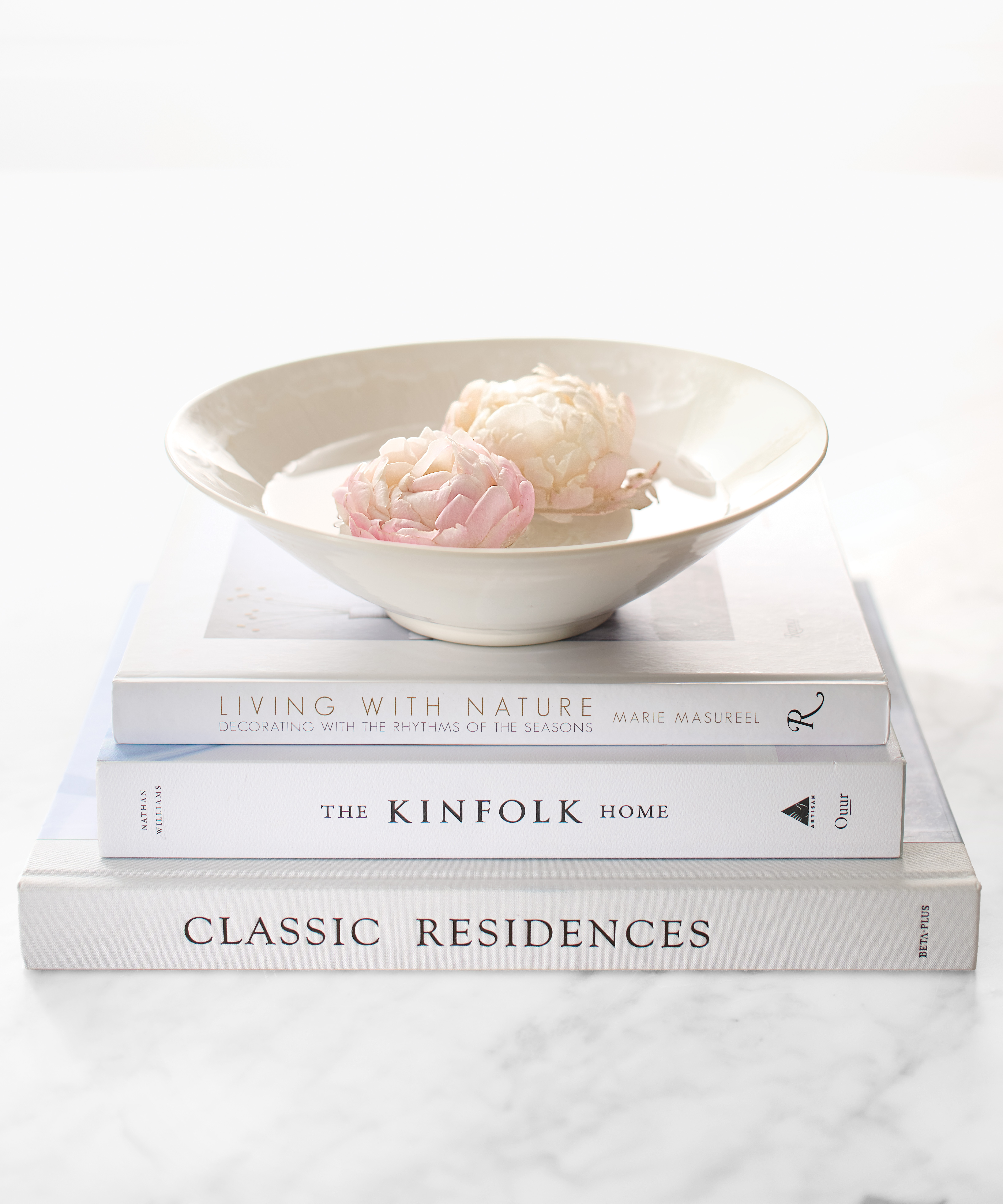
Peony blossoms look serene floating in a bowl of water.

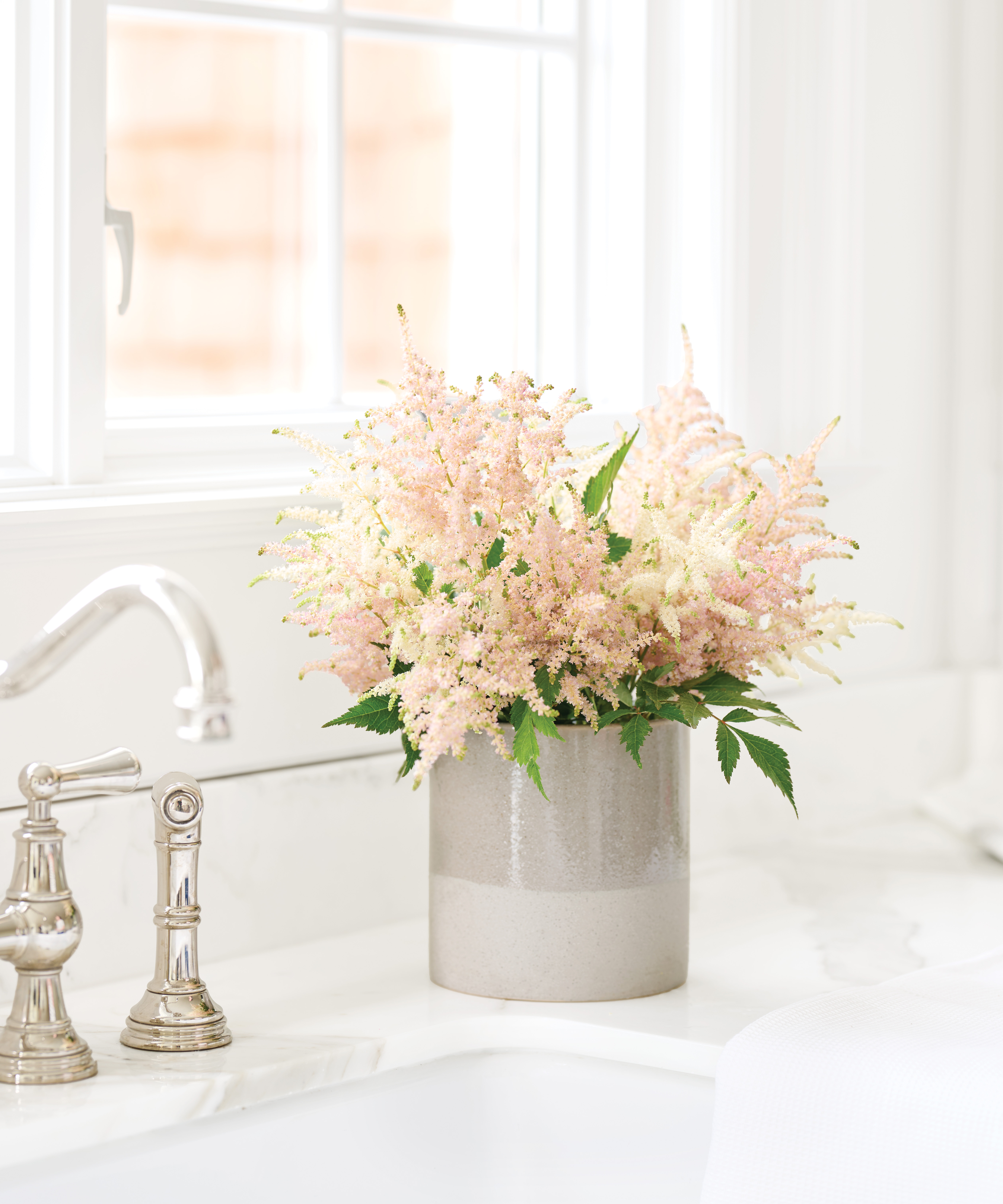
Perennial astilbe thrives in shade and unfurls feathery flowers in pretty pastel shades and fiery reds.

More

Gardening

Stories

Read more
Grow Spiritually in the Garden

Gardening is a great teacher, constantly revealing spiritual lessons to eyes that see and ears that hear. These are just a few spiritual lessons you can glean from gardening.

Tend it daily. Just like your spiritual life, the garden needs daily attention. The best gardens are ones where the gardener visits often. That’s how you spot potential problems, know when to water and when there’s a threat to plants.

Patience prevails. Gardening teaches you to understand the march of the seasons and to wait patiently for the harvest. You cannot speed things up or make things grow. Just like in sharing the gospel and discipling other believers, it’s the Lord who gives the increase (1 Corinthians 3:6–9).

Weeds appear. No matter how vigilant you are with trying to prevent weeds, some will pop up and must be removed. It’s the same in your spiritual life: When weeds like sin, the cares of this world or the pleasures of life start to grow, you’re in danger of having them choke out the desirable fruit of the Holy Spirit (Matthew 13:1–23; Galatians 5:22–23).

Faith deepens. Gardening is mostly a solitary activity, which means it’s a terrific time to pray, meditate on God’s Word and open your heart to hear what the Lord wants to share with you. As you garden, you’ll see amazing parallels to the life of faith, and it will encourage you in your relationship with God.

Above: Gorgeous peonies are easy to grow, and individual plants live for many generations, filling vases for decades.

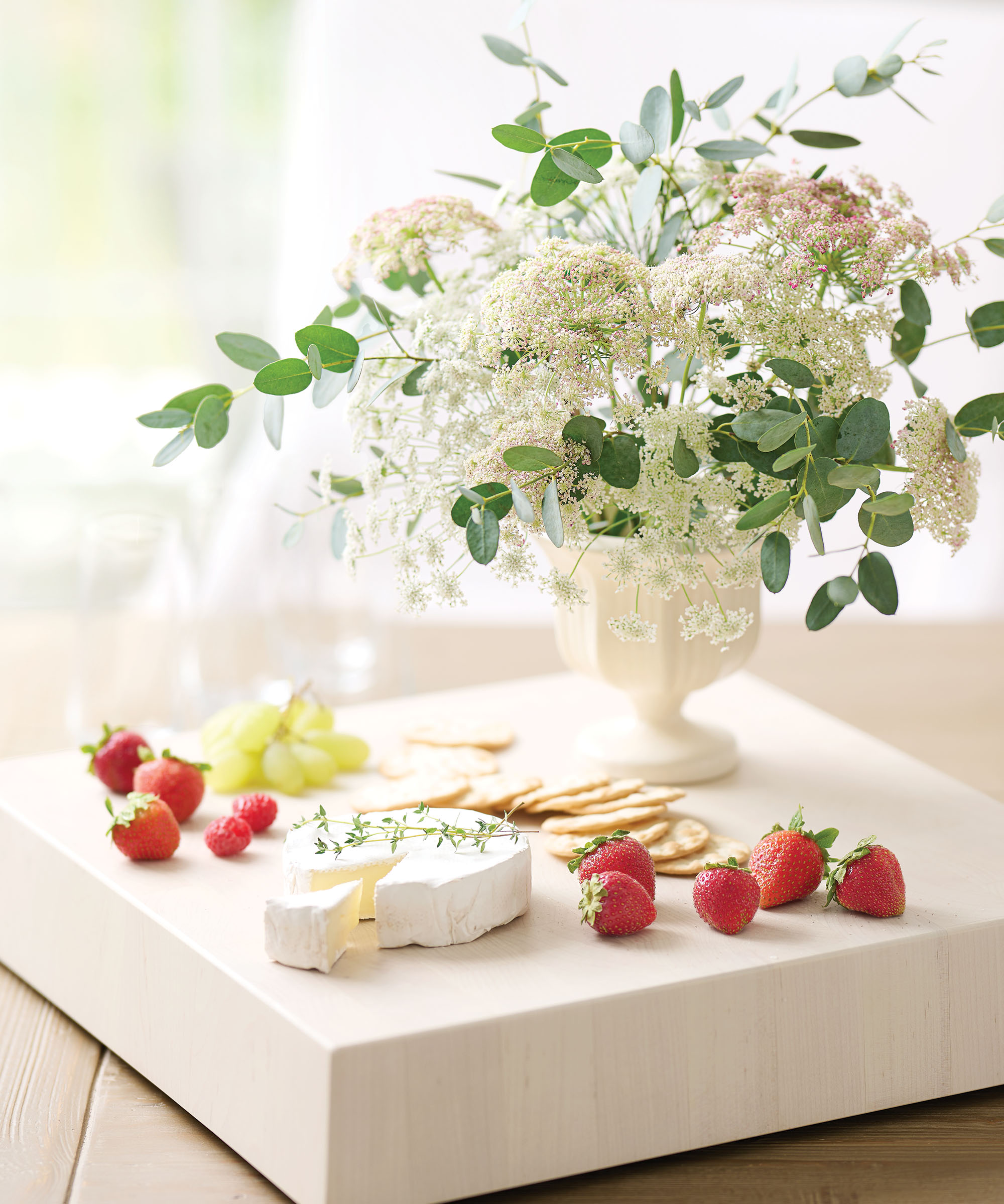
Right: Silver dollar eucalyptus adds movement to an arrangement and plays a textural counterpoint to Queen Anne’s lace.

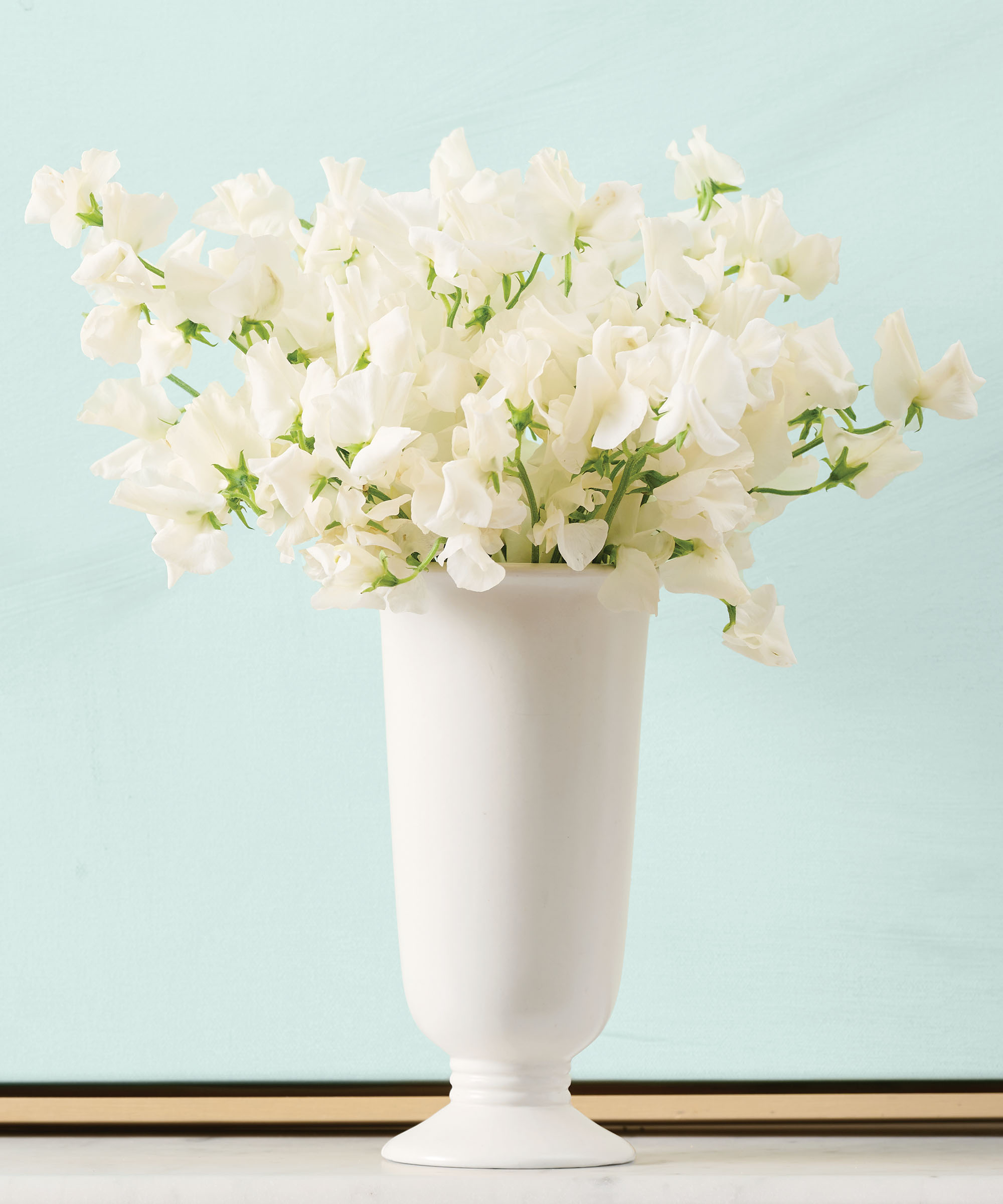
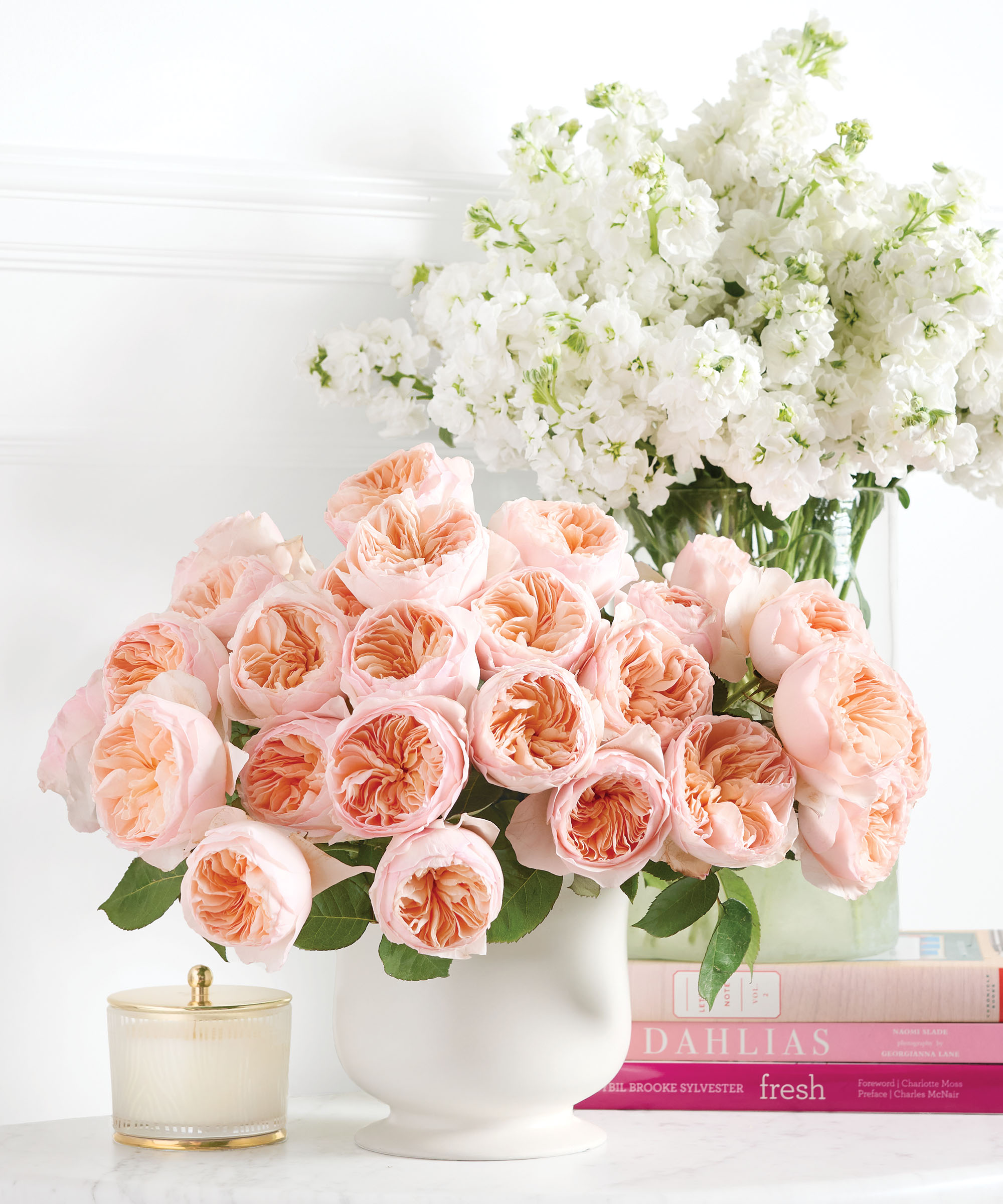
Above: When designing your own cutting garden, remember to grow fragrant flowers in the mix, including flowering stock, roses and sweet peas. These roses are David Austin varieties: Purity, Patience and Juliet.

Below: Petals in glowing apricot have made David Austen's Sweet Juliet rose one of the most beloved flowers for weddings. It took 10 years to develop.

More

Home

Stories

Read more

Related Categories