Yard Zones
Divide your yard into functional “rooms,” much as you would design a home’s interior. Plan zones for dining, conversation, play and lounging. Easy-to-identify pathways should join the rooms. The walkways can be brick, stone or unobstructed strips of grass. Define spaces, create points of interest and enhance privacy using trees, flowerbeds and potted plants or flowers. Plantings bring life to spaces with color and texture. Landscape lighting provides drama for evening entertaining. Add lawn furniture, rugs, umbrellas, privacy walls and curtains to further define and decorate spaces.

1. Cooking & Dining Zone
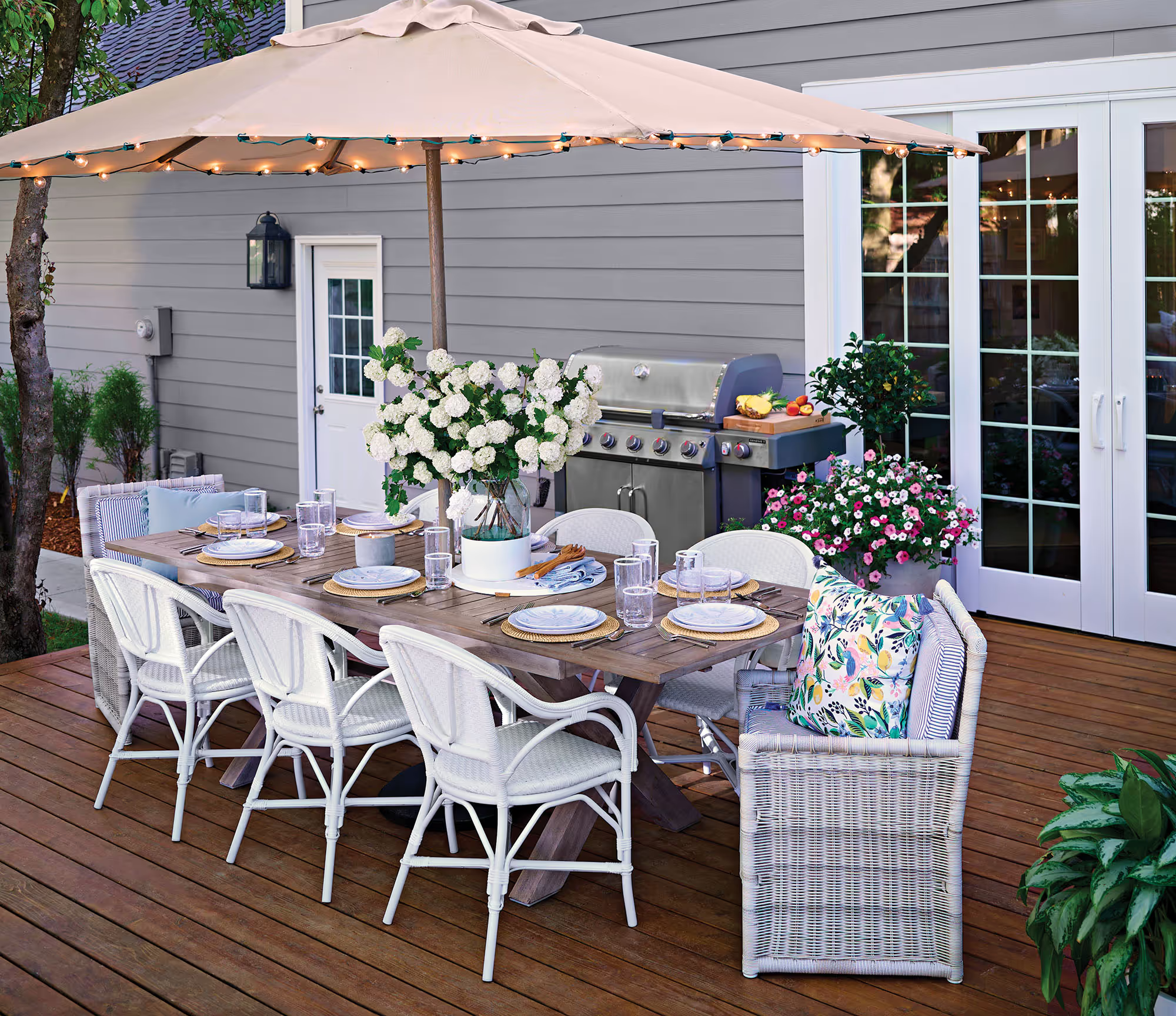
Position the cooking and dining zone within easy access to your indoor kitchen. Be sure to allocate enough space for dining furniture. Generally, the rule is to add 36 inches on each side of the table to allow for chairs and a walkway. Grills and other cooking appliances need to be at least 10 feet from combustible materials, such as the house, furniture, railings and tree branches.
2. Lounging Zone
Place lounge chairs in a sunny spot for sunbathing. Add an umbrella for those wanting to relax in the shade. Provide side tables to hold food and drinks.
3. Play Zone
Cluster children’s play equipment, such as a climbing tower and swings, in a level area. Keep other lawn available for yard games and exercise.
4. Conversation Zone
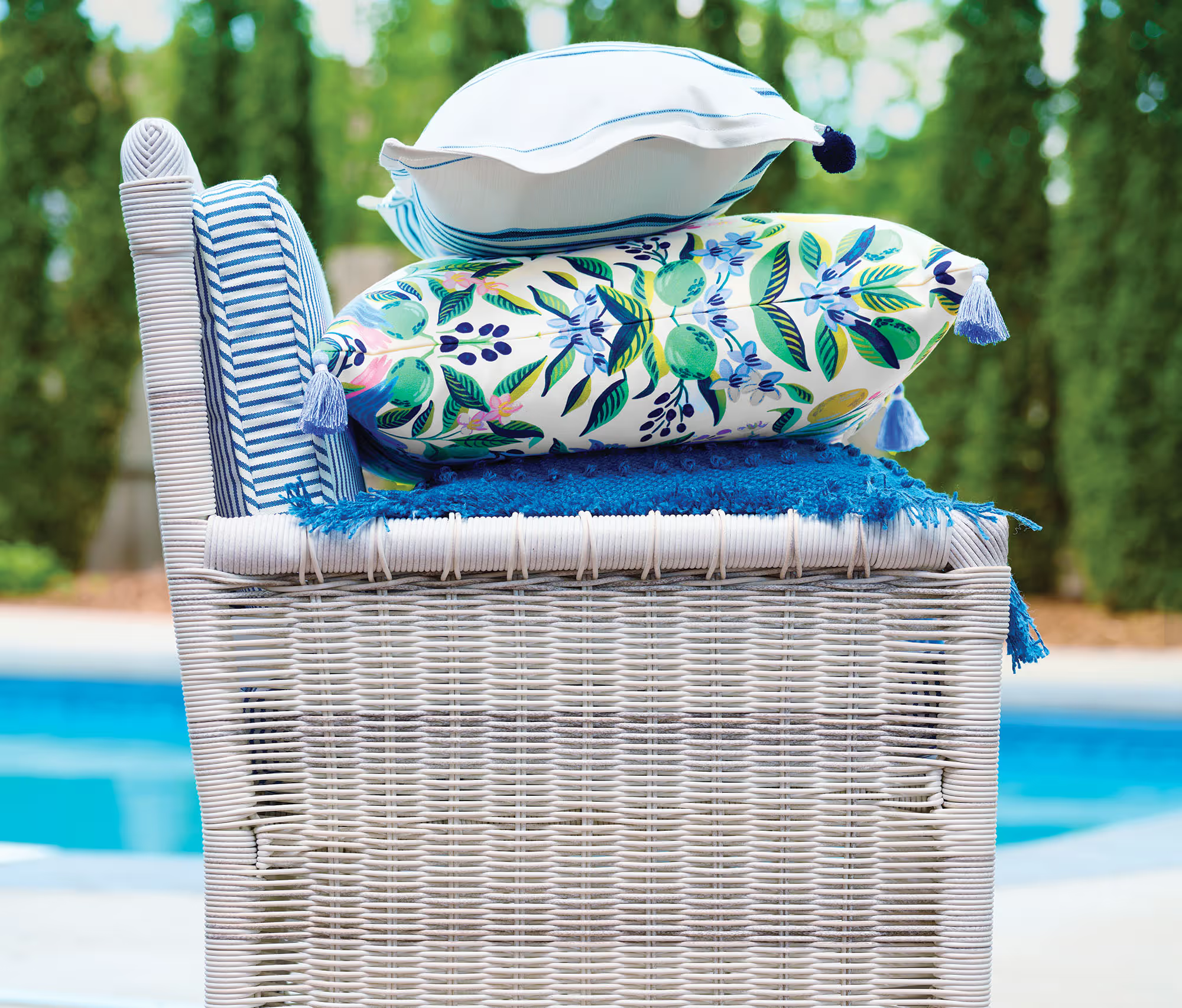
Choose cozy outdoor furniture based on your budget, the climate and available storage. Iron and wood furniture with weatherproof woven materials and thick cushions withstand the wind and cold winters, provide comfortable seating and last for many years. Lighter-weight plastic, aluminum and wicker furniture come at a lower price point. A firepit creates a warm, inviting centerpiece for a seating group, providing a source of heat on chilly days. Water features, such as small ponds or fountains, contribute a restful vibe to any spot of the yard.