Your cart

Product Title
Option 1 / Option 2 / Option 3
Product Note
Subscription Plan Info
Product Discount (-$0)
COUPON1 (-$0)
$0
$0
-
+
Your cart is currently empty.
Enter discount code
Thank you! Your submission has been received!
Oops! Something went wrong while submitting the form.
Coupon1
Coupon2
Cart note
Subtotal
$0
COUPON2
-$0
Order Discount
-$0
Cart Total
$0

9 Easy Habits for Better Health

Healthy living doesn’t have to be complicated. With a few intentional choices, you can boost your energy, strengthen your body, and embrace habits that support a vibrant, balanced, and faith-centered life.

9 Easy Habits for Better Health

Healthy living doesn’t have to be complicated. With a few intentional choices, you can boost your energy, strengthen your body, and embrace habits that support a vibrant, balanced, and faith-centered life.

Signs of good health seem obvious: boundless energy, thick hair, strong nails, glowing skin, clear eyes, ideal body weight and the absence of disease. The World Health Organization describes it as “a state of complete physical, mental and social well-being and not merely the absence of disease or infirmity.” Good health also means we’re able to realize our full potential, handle stress, work productively and make meaningful contributions to society.

The importance of good health also seems obvious: It makes everyday work, play and living enjoyable, meaningful, effective and successful. It sets the stage for how well we age and how much independence we can retain in our later years.

Yet there’s a reason beyond practicality and happiness for taking good care of our bodies. God wants us to. In Paul’s words, “Do you not know that your bodies are temples of the Holy Spirit, who is in you, whom you have received from God? You are not your own; you were bought at a price. Therefore honor God with your bodies”
(1 Corinthians 6:19–20 NIV).

What we do to our bodies matters—in a practical sense for ourselves, yes, but more importantly because our bodies were given to us by God and, for believers, our bodies house the Holy Spirit. We must understand, appreciate and respect that.

Taking good care of our bodies reaps rewards. An ongoing University of Michigan study of Americans 50 and older and their spouses says that those in the study who never smoked, only occasionally drank alcohol and maintained a healthy weight lived an average seven years longer than those who did not fit this profile. Other studies also highlight the long-term physical and mental benefits of healthy habits.

Here are nine habits that can put you on the road to a healthy, happy and, yes, spiritual life worthy of the “temple” you inherited. “For the Spirit God gave us does not make us timid, but gives us power, love and self-discipline” (2 Timothy 1:7 NIV).


1. Pray

Prayer is talking to God with a sense of faith, whether it’s an expression of gratitude or a plea for help. It’s a spiritual communication that offers protection, understanding and meaning. What better way to receive a sense of well-being? “Cast all your anxiety on Him because He cares for you” (1 Peter 5:7 NIV).

2. Don’t Smoke

Smoking is a major factor in lung cancer, emphysema, chronic obstructive pulmonary disease and poor blood circulation. Respiratory diseases are among the leading causes of death in the United States. If you do smoke, talk to your doctor, join a support group or reach out to the American Lung Association at lung.org for help.

3. Don’t Abuse Alcohol

Drinking beyond the occasional glass of wine or beer can lead to addiction or abuse for some people. Beyond-moderate consumption affects the brain, heart, pancreas, liver, immune system and weight. It also affects your work performance and relationships. Limiting alcohol consumption is a good way to stay healthy.

4. Drink Water

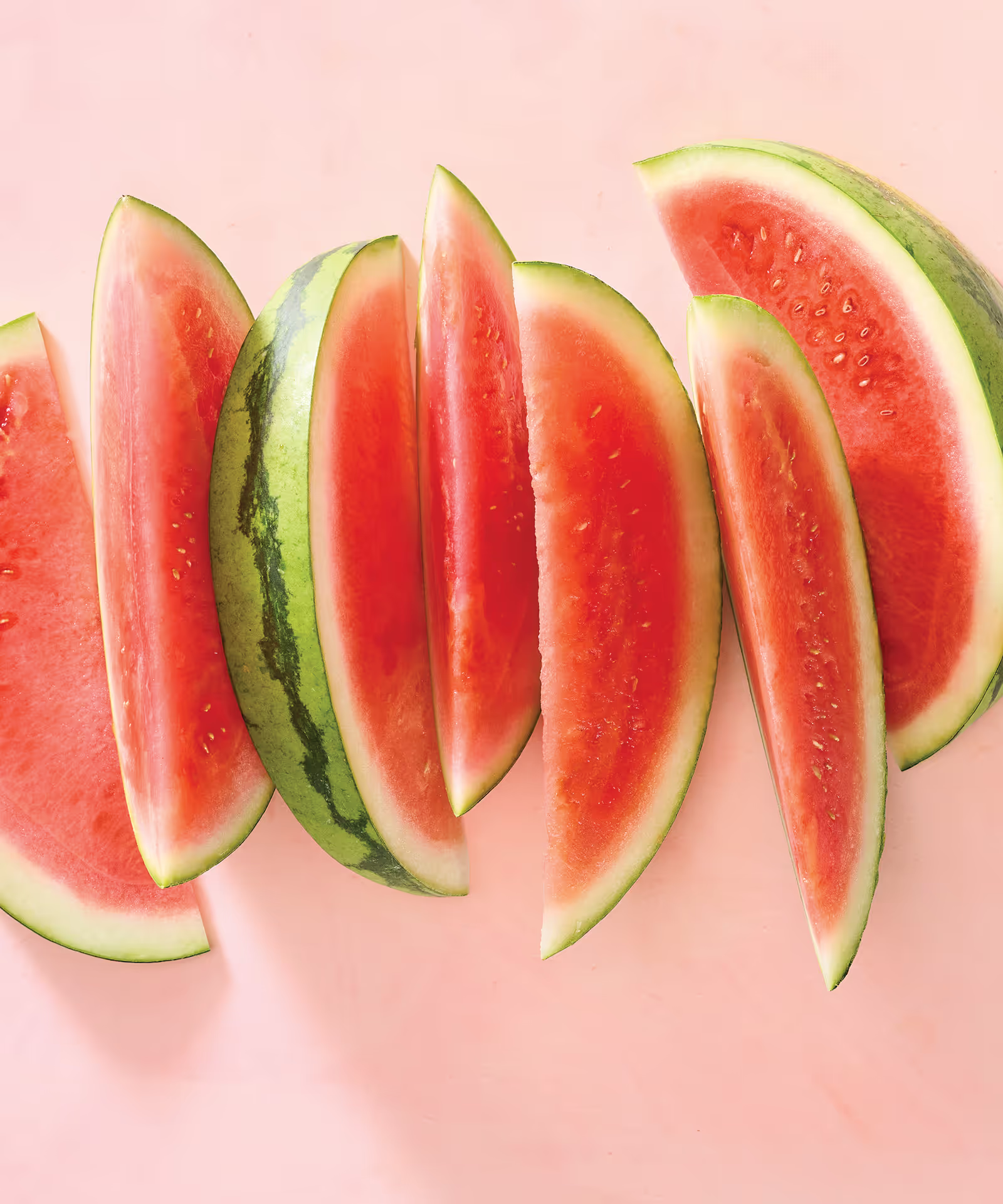
Hydration is essential for healthy skin, digestion, cognition and more, yet most Americans don’t drink enough water. The general rule of thumb: Drink eight glasses of water per day, or divide your body weight by 2 and drink that number in ounces per day. Also increase your intake of fruits and vegetables with high water content—melons, tomatoes, oranges and bell peppers.

6. Sleep More

Aim for at least seven uninterrupted hours of sleep each night. To induce sleep, try setting your room to a cool temperature and putting up blackout curtains. Limited sleep can impair the abilities to focus, react quickly, form memories and lose weight. According to the National Sleep Foundation, lack of sleep can also increase risk of depression as well as heart disease and type 2 diabetes.

7. Take Breaks

Stress not only affects your social well-being and mood, it also impacts your body, contributing to headaches, sleep problems, chest pain and fatigue. Include enjoyable activities in your daily routine. Take a quick walk around the block, jot something in your journal or call a parent or friend for a short chat.  

8. Meditate

Find a quiet space in your home or outdoors and take a few minutes for self-reflection to handle stress, recharge or just to feel gratitude. Studies indicate meditation might help reduce blood pressure and anxiety, relieve irritable bowel syndrome and alleviate some symptoms of menopause and cancer.

9. Exercise

Move! Regular physical activity benefits body and mind. It keeps your weight down, builds a strong heart, strengthens muscles, reduces risk for disease and improves mental and cognitive health. Walk, bike, hike, swim, pull weeds, mow the lawn or hit a dance floor. The U.S. Department of Health and Human Services recommends 30 minutes of exercise daily.

This information is not intended to be used as medical advice. Please consult your physician or dietitian before making dietary changes.

More

Stories

No items found.
Read more

More

Health

Stories

Read more

Related Categories