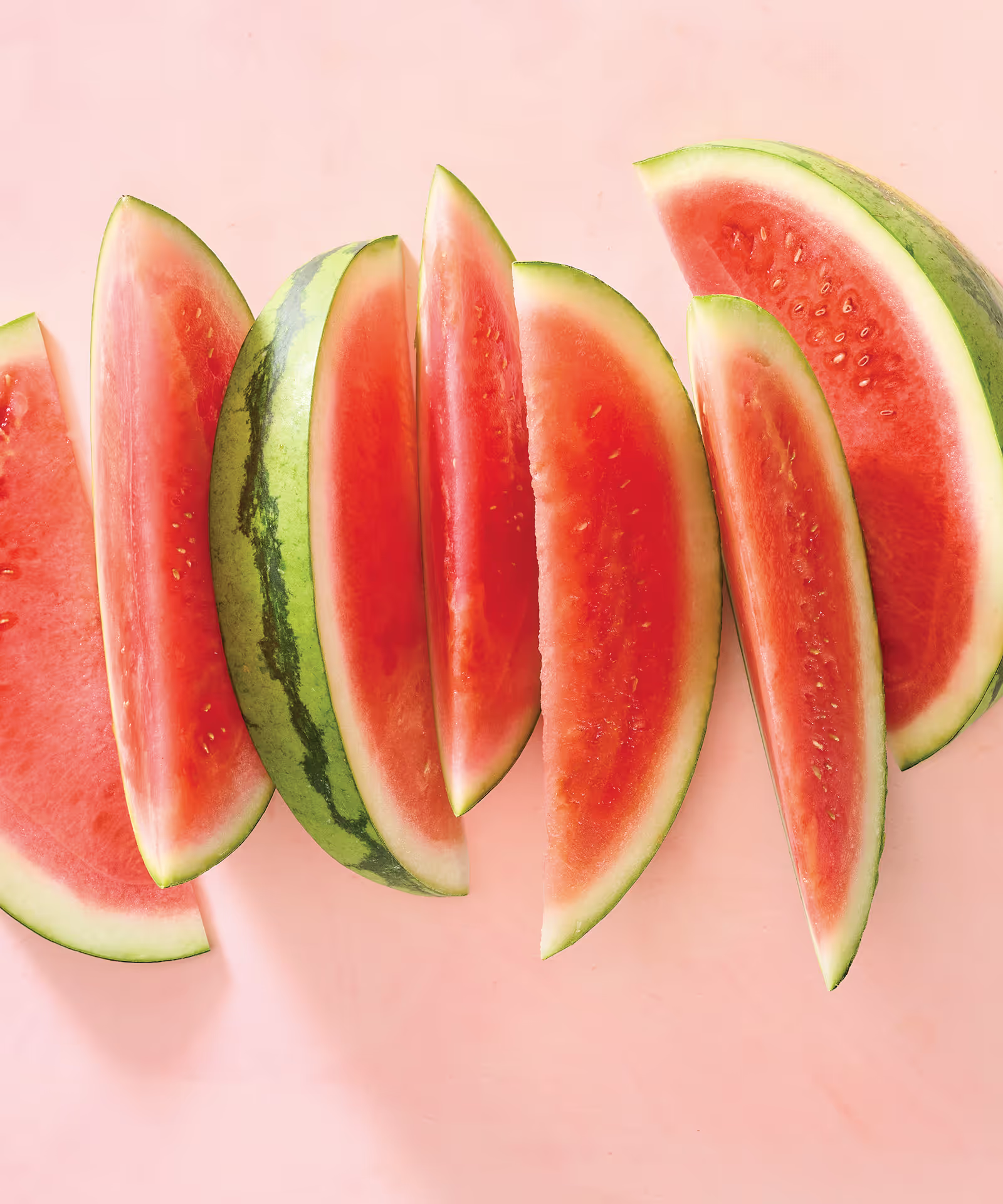

Summer is peak season for all types of watermelon: seeded, seedless, striped, solid green or yellow, with flesh that is orange, yellow or various shades of red and pink. Sizes vary, and shapes range from round to oblong.
Because it is 92 percent water, watermelon is an excellent way to stay hydrated, while supplying vitamins, minerals and other nutrients. One cup of diced watermelon, at 46 calories, yields 14 percent of daily recommended vitamin C, as well as up to 5 percent of vitamin A and potassium, and up to 7 percent of B vitamins. Vitamin C helps the immune system work properly, vitamin A is important for skin and eye health, and B vitamins help the body break down protein. Potassium supports nerve and muscle function and the correct fluid balance in the body. Watermelon also is a good source of lycopene, an antioxidant that may protect against prostate and colorectal cancer, and citrulline, an amino acid associated with possible enhanced muscle strength during resistance and high-intensity exercise. It’s an excellent food for weight management.
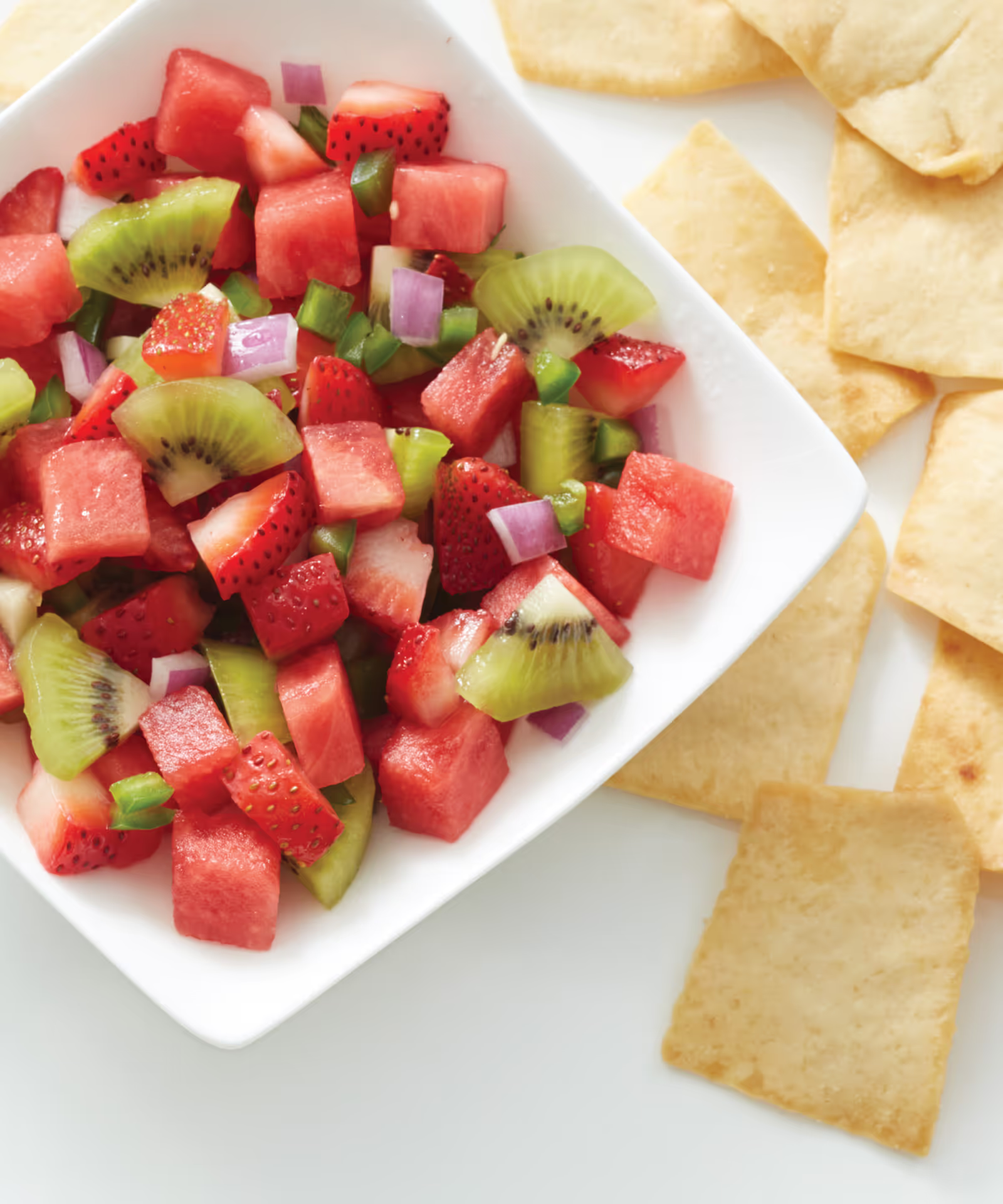
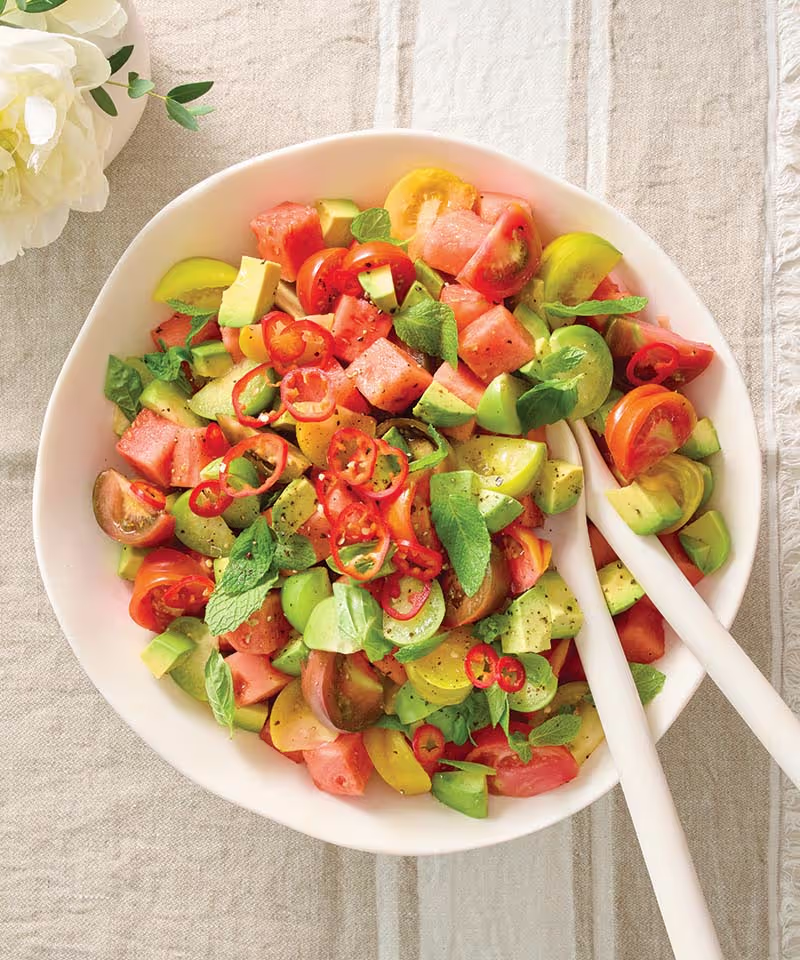
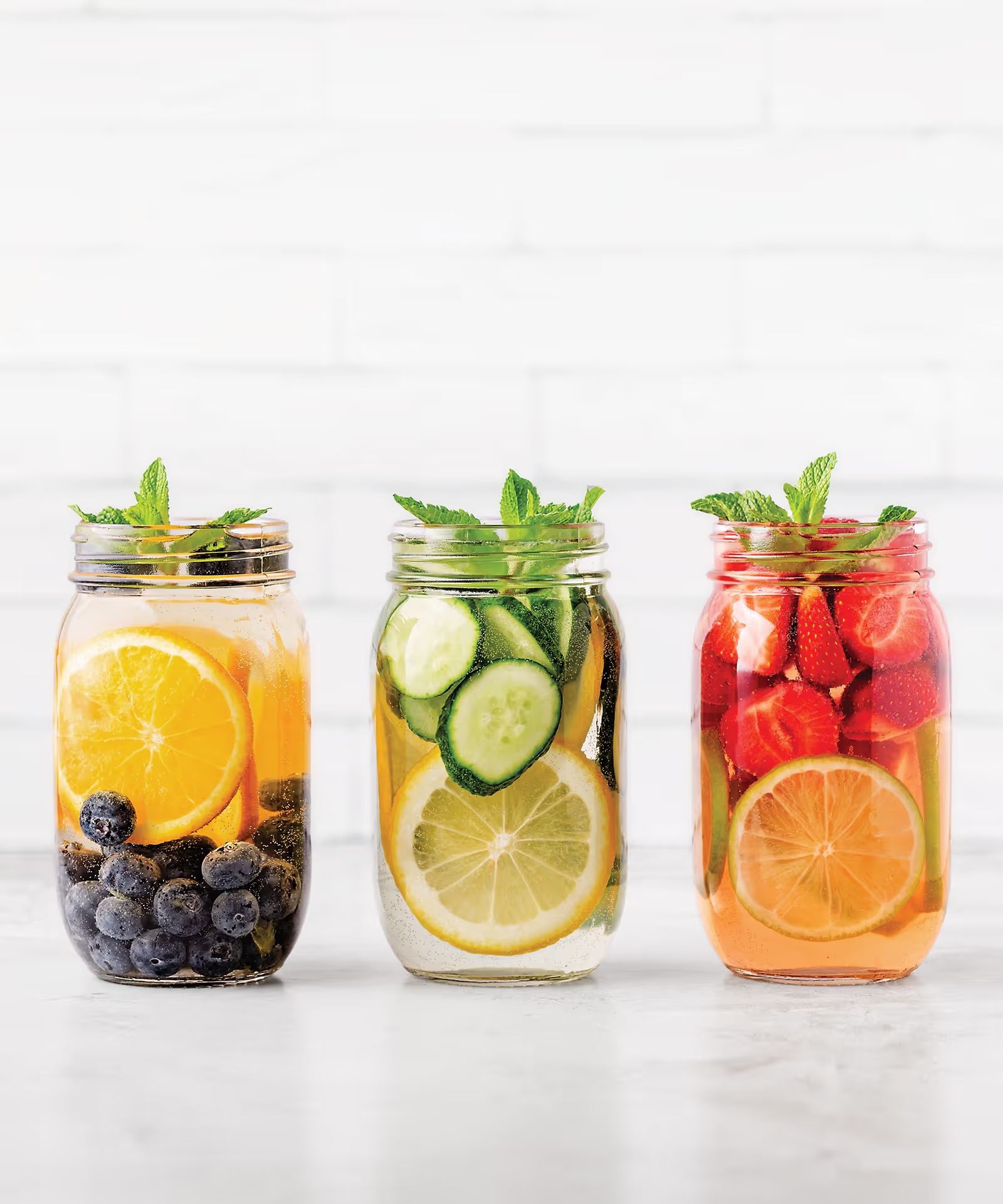
Slices of cold, crisp watermelon are refreshing on their own. The fruit also sparks up summer salads, salsas, cold soups, desserts and drinks. Mix diced watermelon with tomatoes, bell peppers, jalapeños, cilantro and lime juice for a salsa topping over grilled fish or chicken. Grill watermelon slices for deliciously smoky-sweet flavor. Puree and strain fruit for cocktails, or mix with iced teas.

How to Select
Select melons without bruises or dents and that feel heavy for their size (compare their weights with other melons in the group). Turn the melon around and look for a yellowish patch on the rind, which indicates it has ripened while on the ground.
How to Prep
Wash outside of melon before cutting. To make cubes or wedges, slice off the bottom of rind to make a flat bottom, then cut pieces, or use a melon baller to scoop out balls.
How to Use
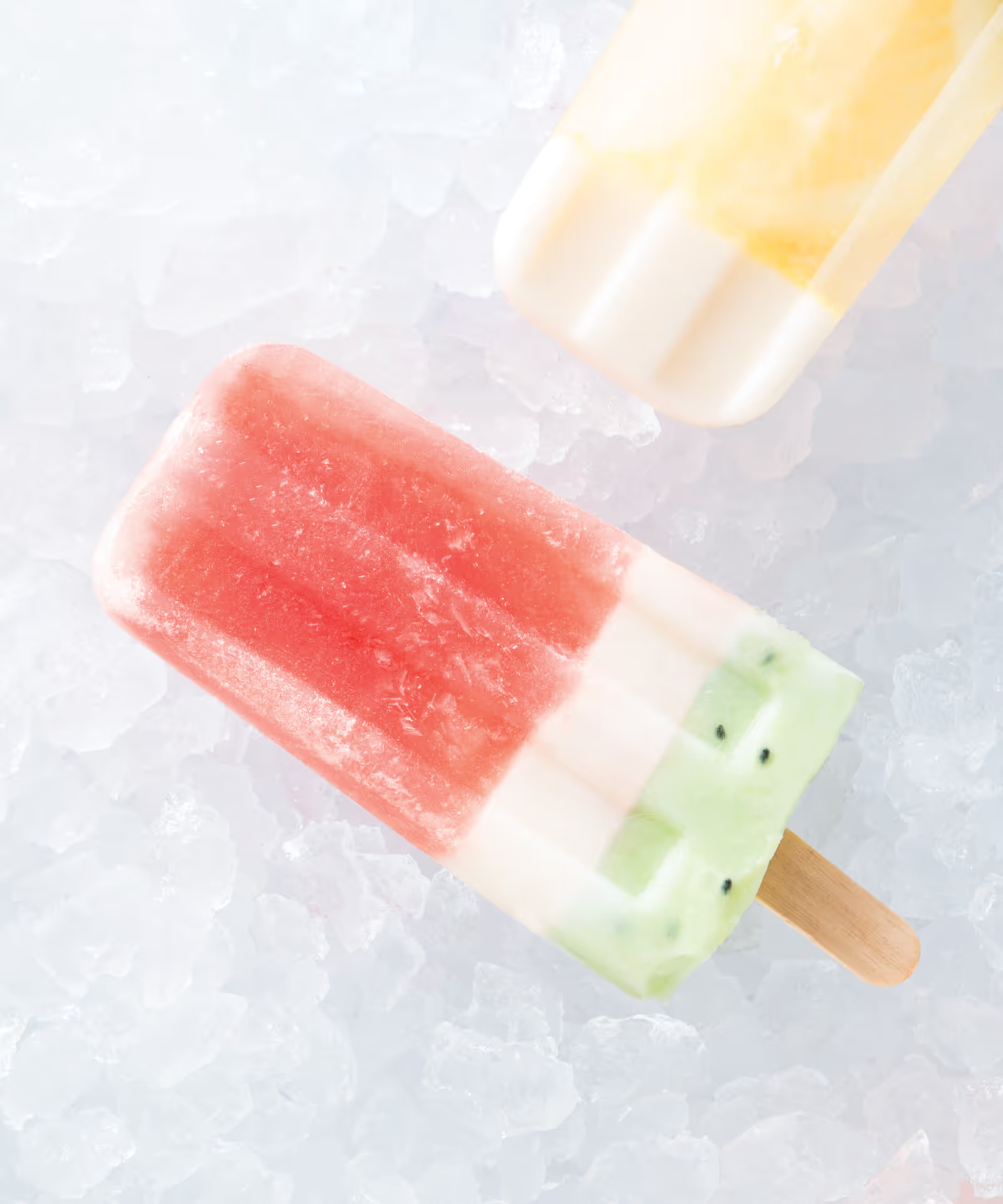
Add fresh watermelon pieces to fruit salads, salsas, feta-orzo salads, sorbets, sangria and cold blended soups. Add to stir-fries. Pickle the rinds in a basic pickling brine for a crunchy, flavorful addition to salads, sandwiches or fried rice.
How to Store
Store the whole melon in the refrigerator, or store whole at room temperature away from direct sunlight. Cut into it within a week. Refrigerate cut melon for 3 to 5 days in an airtight container. To freeze, remove seeds, and spread pieces on a parchment-lined baking sheet; freeze for a few hours, then place pieces in freezer-safe storage container and place back in freezer for up to 8 months. Note: Freezing alters the texture of watermelon once thawed, making it more puree-like. You may want to use only partially thawed melon for snacks, drinks or desserts.
This information is not intended to be used as medical advice. Please consult your physician or dietitian before making dietary changes.