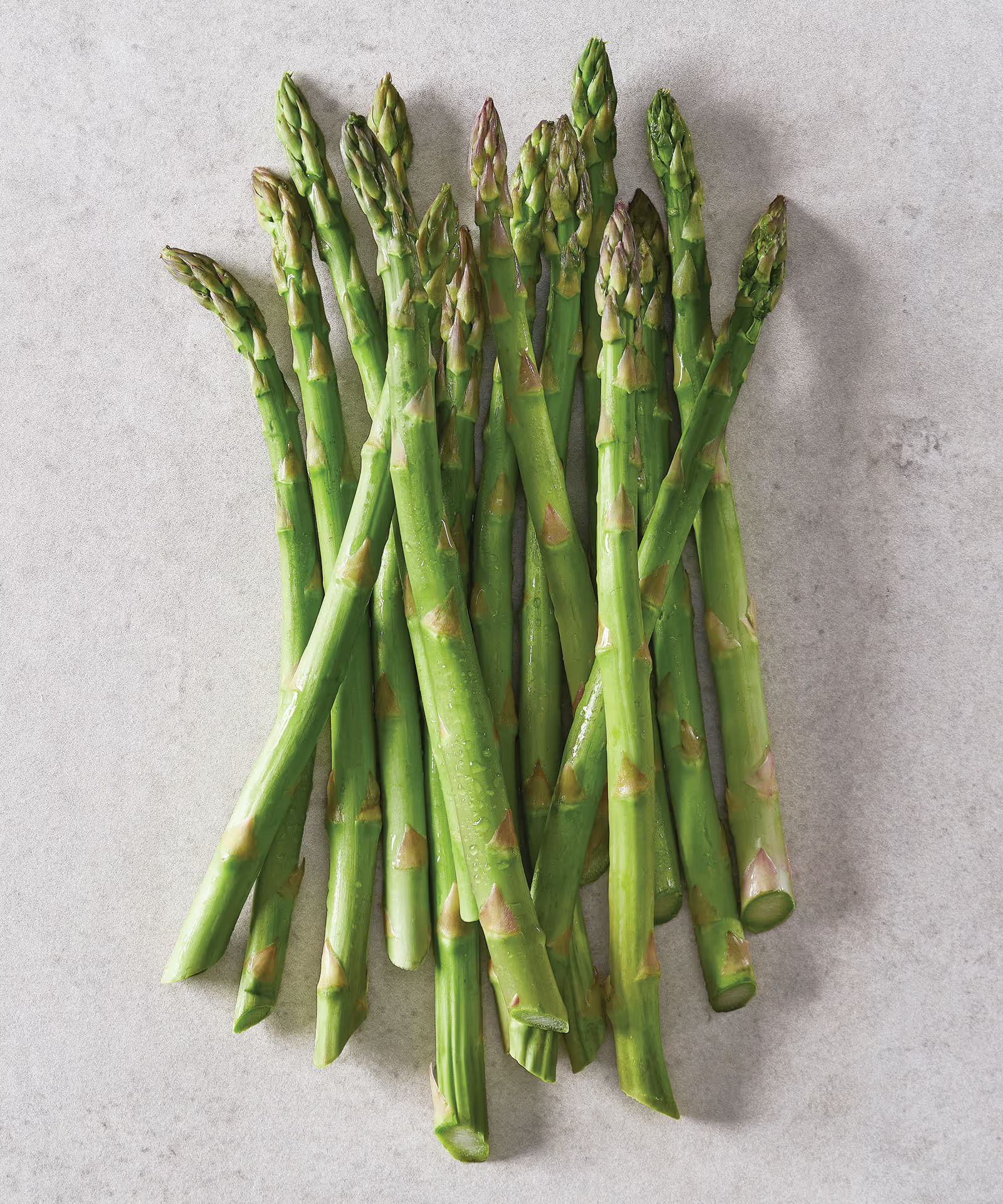

At only 20 calories for about 5 ounces, or five spears, asparagus is a low-cal way to consume an array of nutrients. Asparagus is a good source of potassium, fiber, thiamine and vitamin B₆. It also provides the capillary wall builder, rutin, and folate (vitamin B₉), which is needed for growth, forming blood cells and preventing liver disease.
Asparagus is high in anti-inflammatory nutrients and antioxidants—vitamins A, C, E and K and minerals zinc, manganese and selenium. Nutrients in asparagus may help regulate blood sugar, support a healthy heart, lower the risk of type 2 diabetes and provide antiaging benefits for cognitive and skin health. The vegetable also contains a good amount of fiber, which helps with digestive health, and is a natural diuretic, which can help rid the body of excess fluid and salt.

How to Select
Look for asparagus spears that are firm and don’t bend. Stalks should be straight and snap in half when bent. Tips should be tight and dark green or tinged with purple. Avoid yellowed or dried-up tips and ends. Thin asparagus is usually tender and sweeter; thick stalks are meatier with stronger flavor.
How to Store
Trim stalk ends and discard. Keep cut ends moist by wrapping stalks in a damp paper towel or placing them in a jar with about 1 inch of water. Cover stalks with plastic wrap. Throw out stalks that appear slimy or seedy.
How to Clean
Rinse spears under cool water. Snap off the tough bottom inch or so. Dry spears with a paper towel.
How to Prepare
Asparagus can be eaten raw or cooked. It can be blanched and served cold; steamed, grilled, oven-roasted, microwaved, sautéed, stir-fried or boiled.
This information is not intended to be used as medical advice. Please consult your physician or dietitian before making dietary changes.