Your cart

Product Title
Option 1 / Option 2 / Option 3
Subscription Plan Info
Product Discount (-$0)
COUPON1 (-$0)
$0
$0
-
+
Your cart is empty.
Enter discount code
Thank you! Your submission has been received!
Oops! Something went wrong while submitting the form.
Coupon1
Coupon2
Cart note
Subtotal
$0
COUPON2
-$0
Order Discount
-$0
Cart Total
$0

How to Macerate Fruit

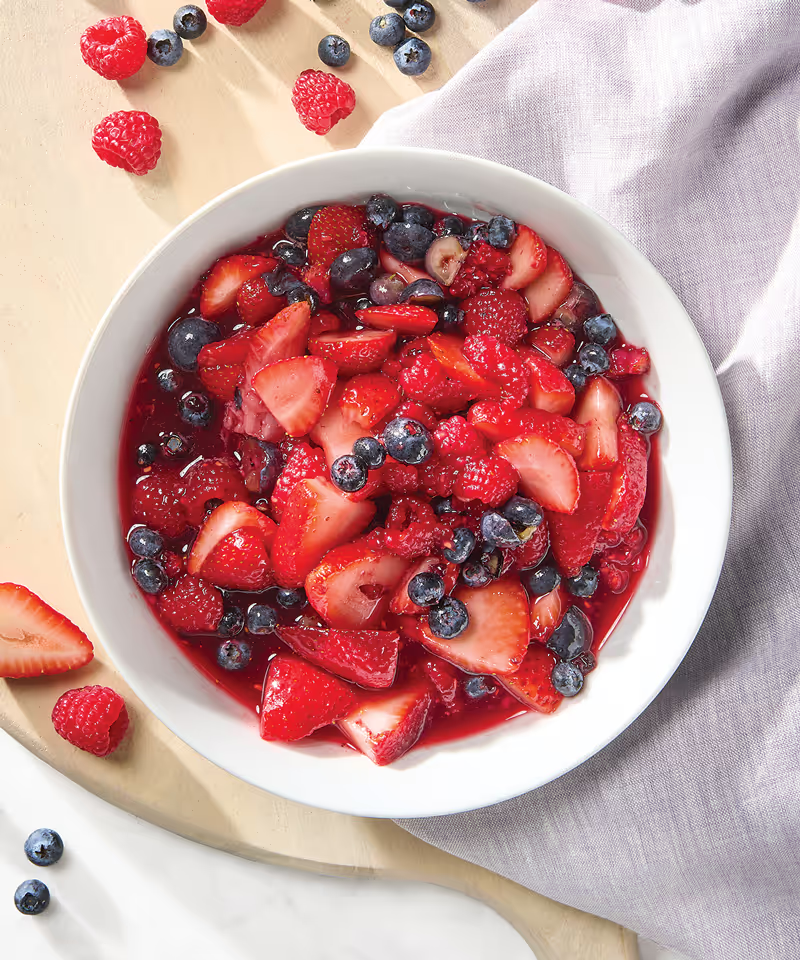
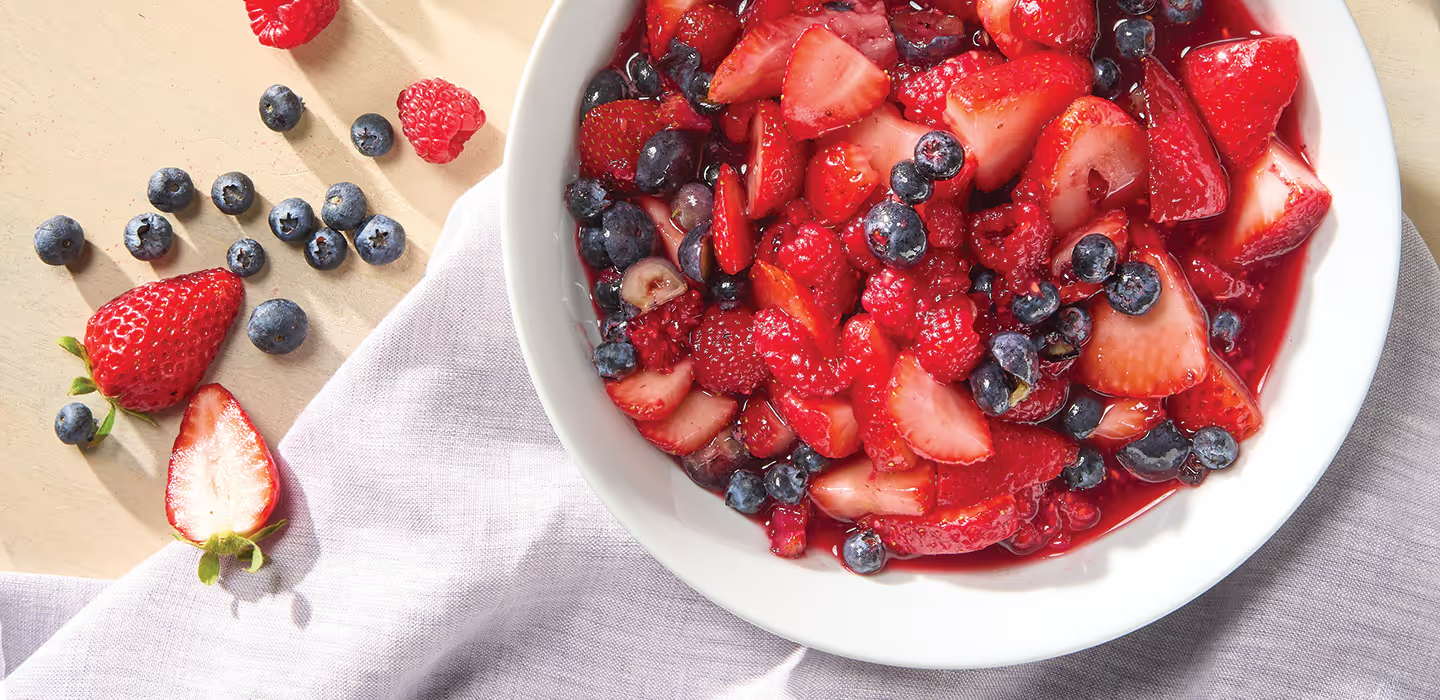
Dust fresh fruit with sugar; add a little juice, balsamic or other flavorful liquid; and let stand. Fruit softens, its natural juices draw out and intensify, and the liquid permeates the fruit. The result is a fruit-and-sauce medley to include in a variety of recipes. What a delicious way to take advantage of summer produce!
A bowl of sliced strawberries and whole raspberries and blueberries in a white bowl with a syrupy sauce.

How to Macerate Fruit

Dust fresh fruit with sugar; add a little juice, balsamic or other flavorful liquid; and let stand. Fruit softens, its natural juices draw out and intensify, and the liquid permeates the fruit. The result is a fruit-and-sauce medley to include in a variety of recipes. What a delicious way to take advantage of summer produce!
A bowl of sliced strawberries and whole raspberries and blueberries in a white bowl with a syrupy sauce.
Best Fruits to Macerate


Most fruits are good candidates for macerating. Keep in mind that soft-flesh and thin-skinned fruits require less maceration time than those with thick skin or firm flesh.

Strawberries, Raspberries, Blackberries, Melon: Macerate soft fruits with thin skins for 30 minutes to 1 hour.

Tip: When macerated, berries generate a syruplike liquid similar to that in a compote. Macerating a combination of berries gives the liquid a flavor that’s more than the sum of its parts and creates a delectable topper for vanilla ice cream or frozen yogurt.

Blueberries, Plums, Grapes: Macerate fruits with slightly thicker skins for 1 to 2 hours.

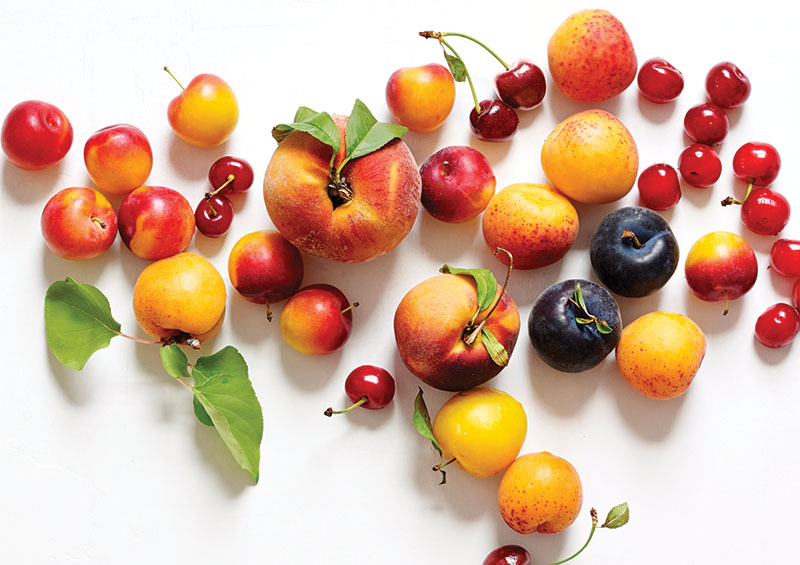
Stone Fruit (Peaches, Cherries, Apricots): Macerate fruits with thick flesh for 2 hours to overnight.
Beyond Sugar


Because sugar draws moisture from fruit to create a liquid, there’s no need to add liquid to the bowl. If you want to create more flavor complexity, soak fruit in not-so-sweet liquids such as wine, liqueur or balsamic vinegar. Or add almond or vanilla extract, cinnamon or pepper. Strawberries get smoky-sweet when macerated in balsamic. Apricots and peaches develop a deeper flavor with bourbon.

How to Macerate Fruit

1. Mix 2 cups rinsed sliced berries or other cut-up fresh fruit with 1 to 2 tablespoons granulated sugar in a bowl. Stir gently to coat the fruit.

2. Mix in 1 tablespoon fresh fruit juice, wine or other flavorful liquid. Cover bowl and refrigerate 30 minutes or longer for soft fruits like berries or melon, and at least 2 hours for hard fruits such as peaches, apples or pears. Keep macerated fruit, covered, in the fridge. Use fruit within about 3 days.

More

Fruit

Stories

Read more
3 Ways to Use Macerated Fruit
Honey-Vanilla Whipped Mascarpone with Stone Fruit

Citrus-sweetened nectarines and plums top a velvety mound of honeyed mascarpone cheese. Serve with dippers such as cinnamon tortilla chips.

View recipe

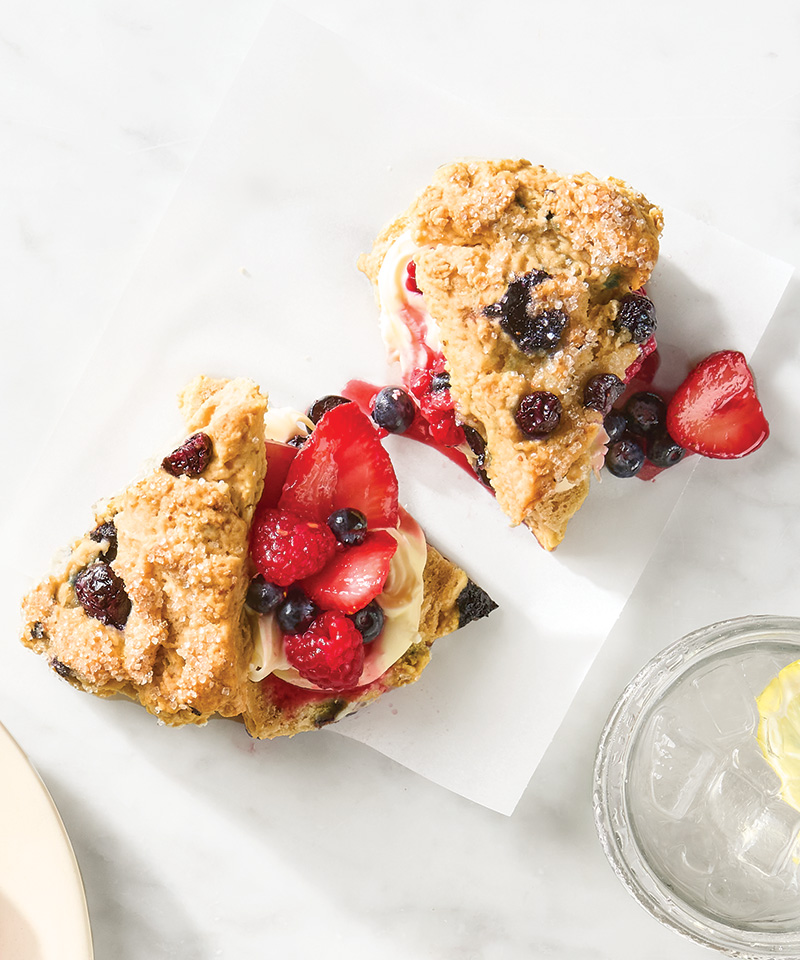
Berry Scone Shortcakes

Whipped cream and macerated berries tuck into split blueberry scones in this scrumptious version of strawberry shortcake.

View recipe

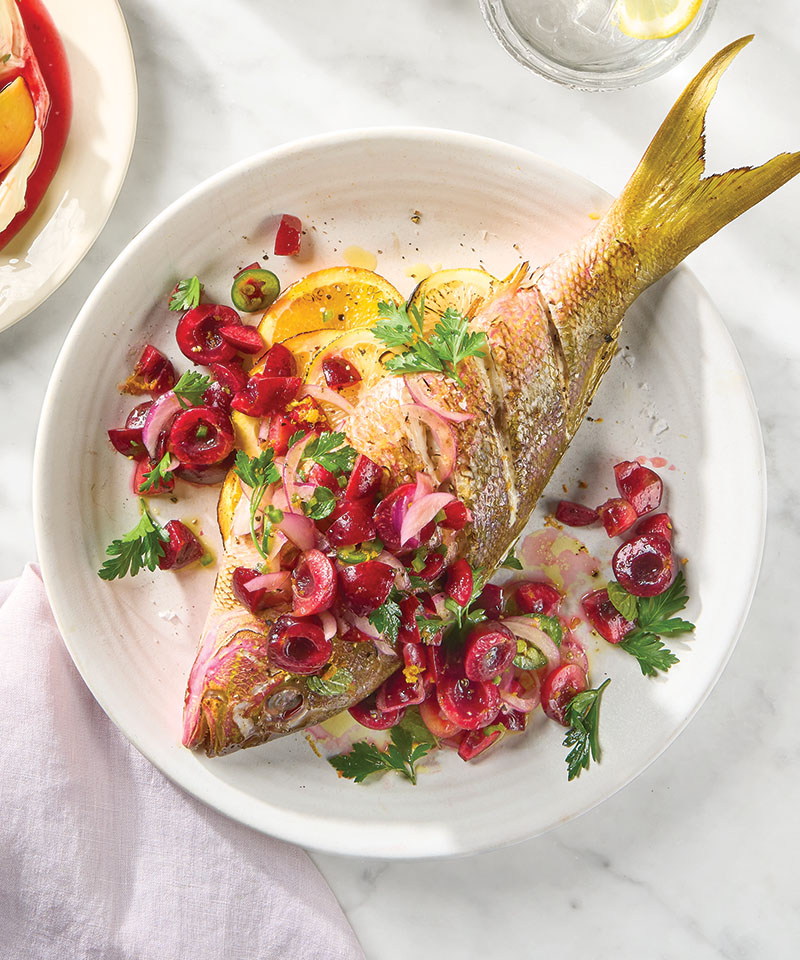
Yellowtail Snapper with Cherry Salsa

A mix of macerated cherries, jalapeño pepper, red onion and cilantro creates a zesty salsa to serve alongside the mild-flavor white fish.

View recipe

More Ways to Use Macerated Fruit

  • Pour into cake, muffin or pancake batter
  • Fold into oatmeal or other hot cereal
  • Layer into a parfait
  • Top a salad
  • Spoon over pound cake
  • Add to a sauce or relish for chicken or fish
  • Top with whipped cream for an easy dessert
  • Mix into sparkling water for a refreshing drink

More

Food

Stories

Read more

Related Categories