Your cart

Product Title
Option 1 / Option 2 / Option 3
Subscription Plan Info
Product Discount (-$0)
COUPON1 (-$0)
$0
$0
-
+
Your cart is empty.
Enter discount code
Thank you! Your submission has been received!
Oops! Something went wrong while submitting the form.
Coupon1
Coupon2
Cart note
Subtotal
$0
COUPON2
-$0
Order Discount
-$0
Cart Total
$0

How to Make Dutch Baby Pancakes

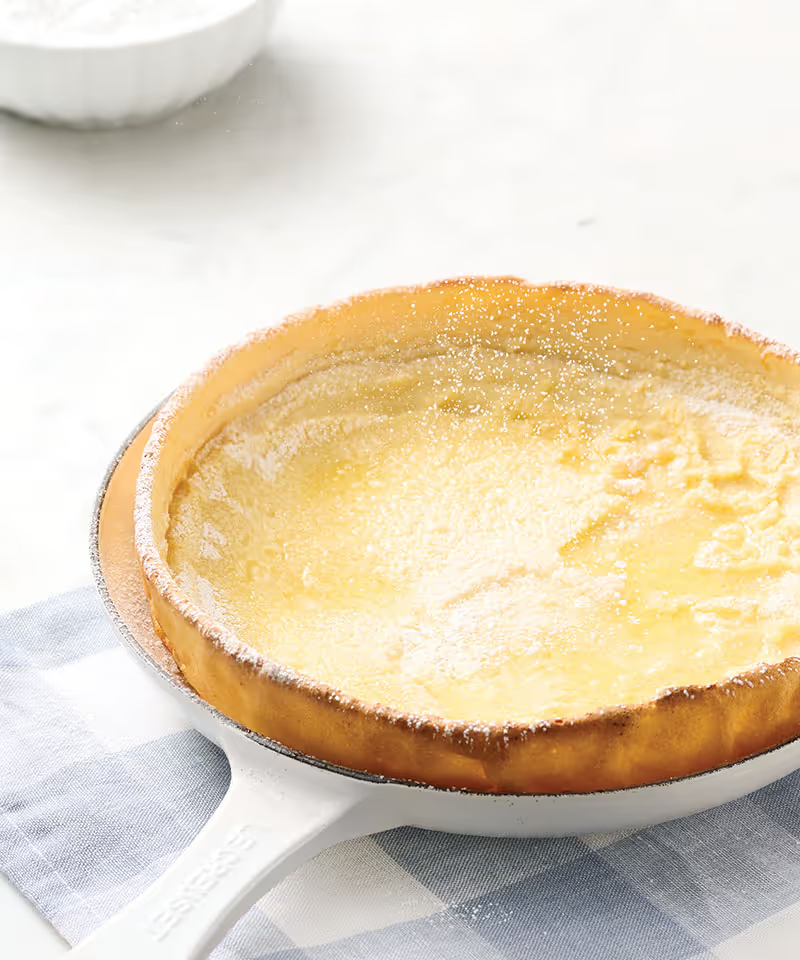
This puffy pancake is made with modest pantry staples yet seems to defy gravity when it hits the oven. Top the fluffy phenomenon with your favorite sweets or savories and serve any time of day.
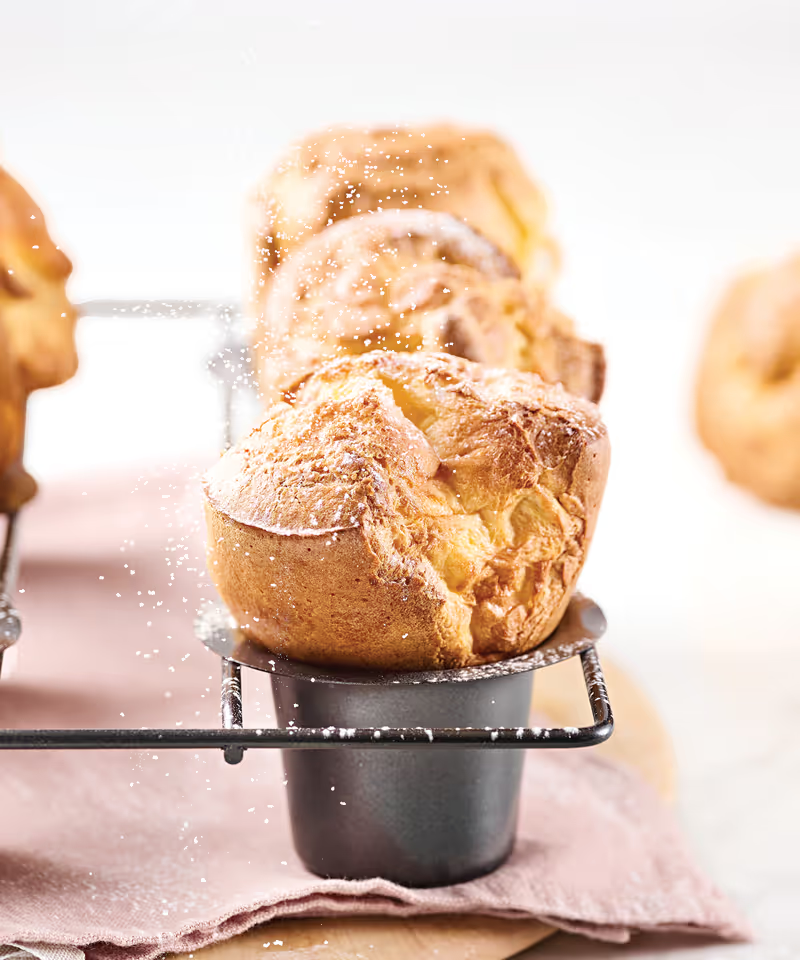
A Dutch baby pancake with sprinkled powdered sugar in a white Le Creuset pan.

How to Make Dutch Baby Pancakes

This puffy pancake is made with modest pantry staples yet seems to defy gravity when it hits the oven. Top the fluffy phenomenon with your favorite sweets or savories and serve any time of day.

A Dutch baby is an oven-baked pancake made with eggs and equal parts flour and milk. It was derived from German pancakes (“Deutsch” is the German word for “German”) in the early 1900s in Seattle. Similar to Yorkshire pudding or a large flattened popover, the creamy crepe-like pancake pairs with sweet and savory ingredients. Its rich, eggy texture works as a delicate stand-alone breakfast item or as a custardy base for dinnertime meats and vegetables.

It is science that creates the Dutch baby’s unique look and texture. Thin batter is poured into a preheated metal or cast-iron skillet. Once in the oven, the batter begins to form a crust that traps the liquid inside. The liquid then converts to steam. This steam, unable to escape, expands and causes the pancake to inflate like a balloon before deflating into a billowy crust with a custard center.
Tips for the Best Dutch Baby Pancakes

Start with ingredients at room temperature (between 65–70°F). If the milk or eggs are cold, the batter can split. Because the pancake needs a smooth, custardy surface to expand, an uneven batter that includes air pockets will not inflate as it needs to.

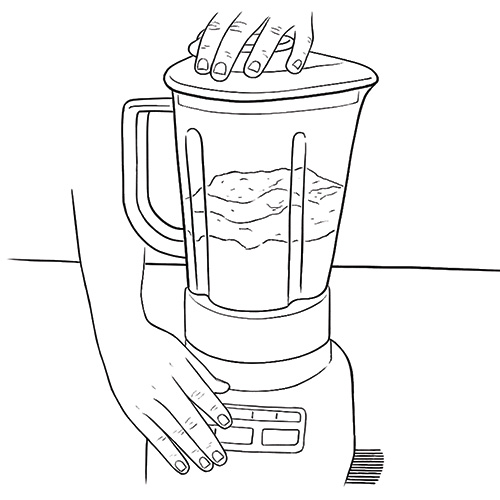
Mix with a blender or food processor. The smoothness of the batter is crucial to this recipe, so hand-mixing may not achieve the most effective result.

Rest the batter. When the batter rests, it allows gluten to develop. This gluten helps the batter stretch without breaking, a necessary component to trapping the steam.

Preheat your metal or cast-iron skillet. A hot skillet will immediately begin evaporating the liquid in the batter, kicking off the steaming effect that causes the desired puffy result.

Keep the oven door closed. No peeking. The rush of cold air will flatten your pancake before it naturally deflates.

Pick your texture. For those who prefer a softer pancake, shorten cooking time. For crispier edges, leave the Dutch baby in the oven a bit longer.

Serve immediately. Dutch baby pancakes lose moisture as they sit, so serve warm from the oven. Bring to the table and cut into wedges like a pie.

How to Make Dutch Baby Pancakes

See the Classic Dutch Baby recipe

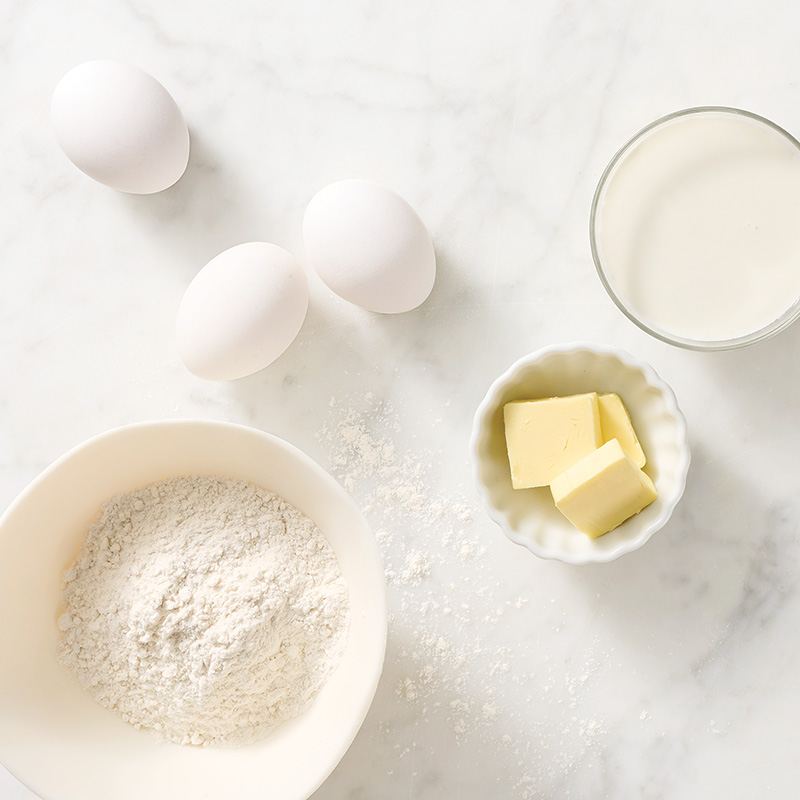
1. Whisk together flour, sugar and salt in a medium bowl; set aside. Place eggs, half-and-half and vanilla in a blender. Cover and blend for 1 minute. Add flour mixture. Cover and blend for 30 to 60 seconds or until combined. Set mixture aside for 10 minutes.

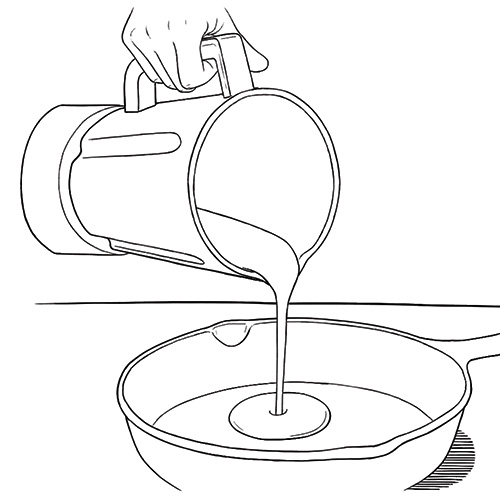
2. Preheat oven to 400°F. Place skillet in the oven. When hot, remove skillet and add butter, tilting the skillet to coat the bottom and sides with melted butter; slowly pour batter into skillet. Bake for 14 to 16 minutes or until puffed and golden brown. Remove from oven and top with desired toppings. Serve immediately.

More

Baking

Stories

Read more
3 Dutch Baby Pancake Ideas
Blueberry-Lemon Curd Dutch Baby

Fresh berries simmered until they burst, spoonfuls of sour-sweet lemon curd and a delicate kiss of powdered sugar create a fruity topping for this custardy dish.

View recipe

Dutch Baby with Burrata, Prosciutto and Chive Oil

Creating a menu for elegant gatherings is simple. Serve a warm Dutch baby with homemade herb oil, savory dry-cured ham and burrata.

View recipe

Quadruple-Chocolate Dutch Baby

This dessert teems with creamy warm and cold chocolaty toppings. Use Dutch-process cocoa instead of regular cocoa to ensure the correct interaction between each lush ingredient.

View recipe

More Ways to Top Dutch Baby Pancakes

Breakfast:

• Maple syrup

• Sausage and eggs

• Jam

• Apple slices

Lunch:

• Spring veggies and goat cheese

• Ham, leek and Parmesan

• Sautéed mushrooms and pancetta

• Swiss cheese and ham

Appetizer:

• Brie

• Asparagus and Asiago

• Crab and cream cheese

• Artichoke hearts and feta

Dinner:

• Roasted vegetables

• Steak and blue cheese

• Kielbasa and Cheddar

• Roast turkey with gravy

Dessert:

• Caramel sauce

• Hot fudge and whipped cream

• Bananas and pecans

• Ice cream

How to Store Dutch Baby Pancakes

Dutch babies are meant to be eaten immediately—fresh! Although they can be refrigerated in an airtight container for up to 3 days, the famous texture will change, becoming chewy and no longer crisp, even when reheated.

More

Food

Stories

Read more

Related Categories