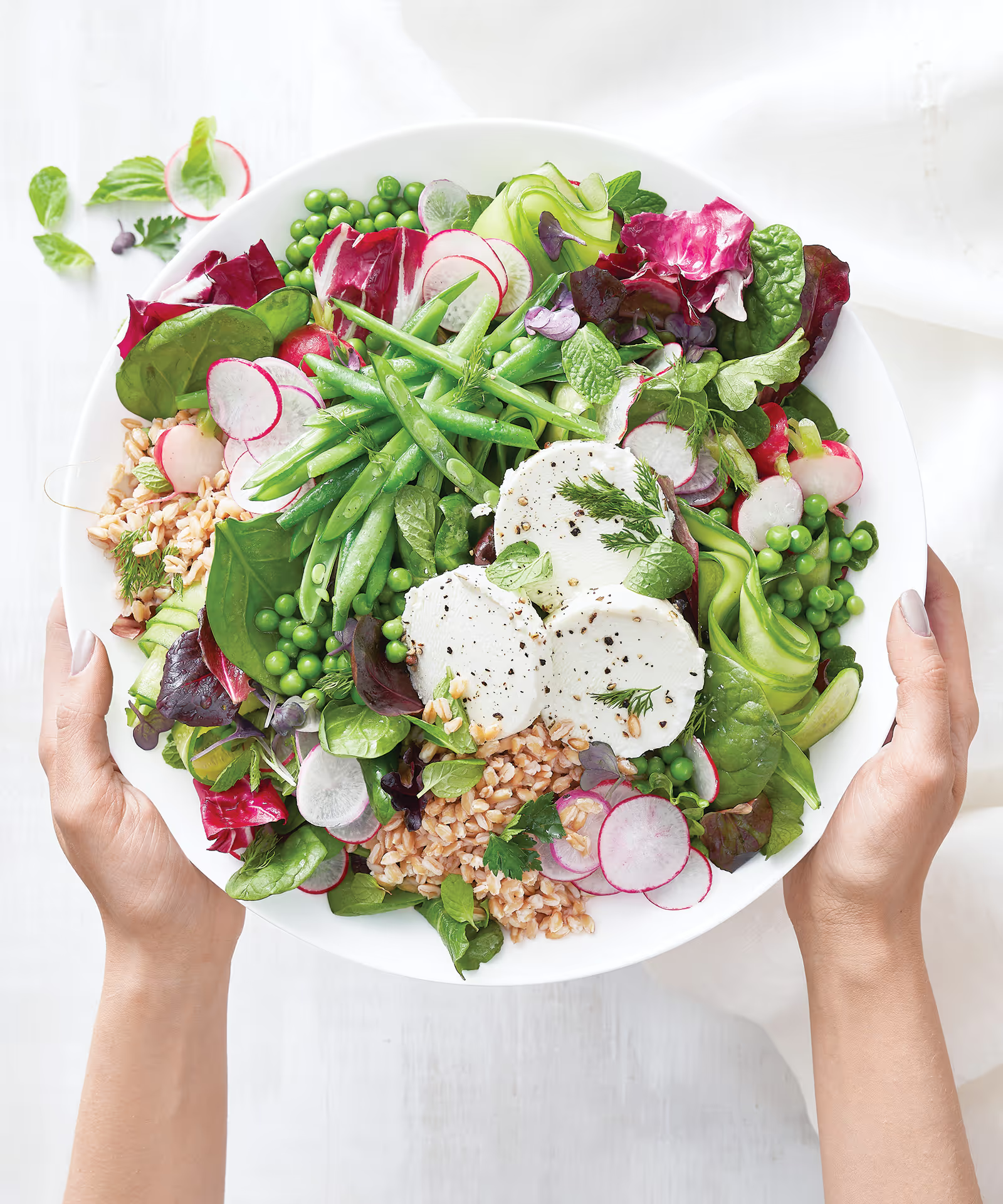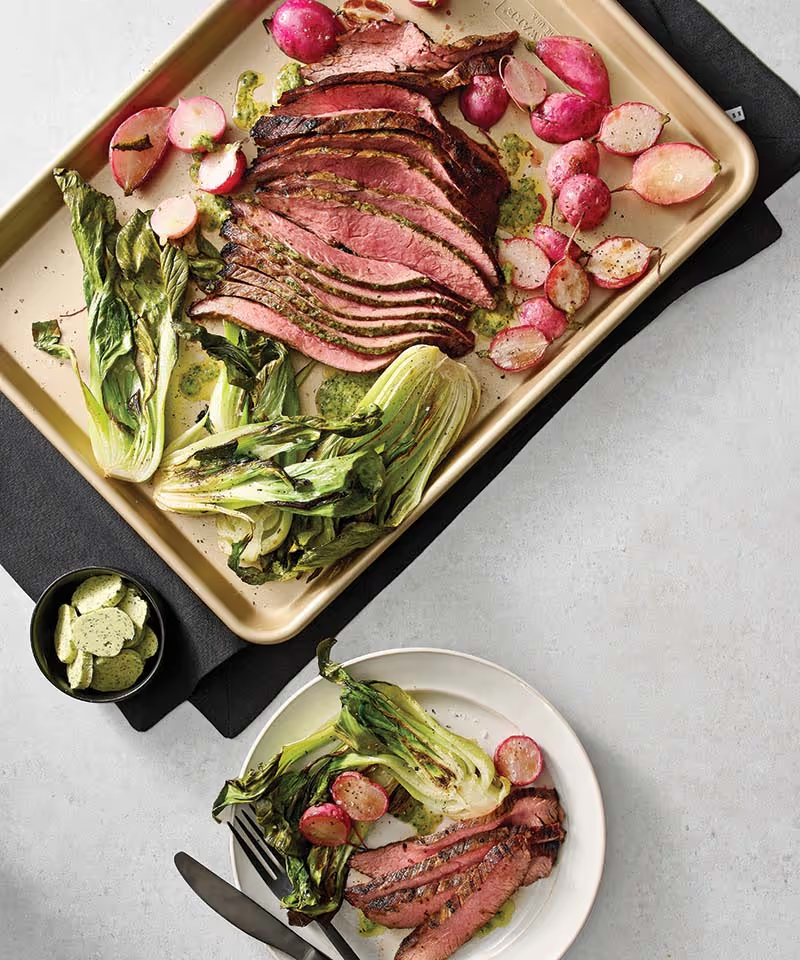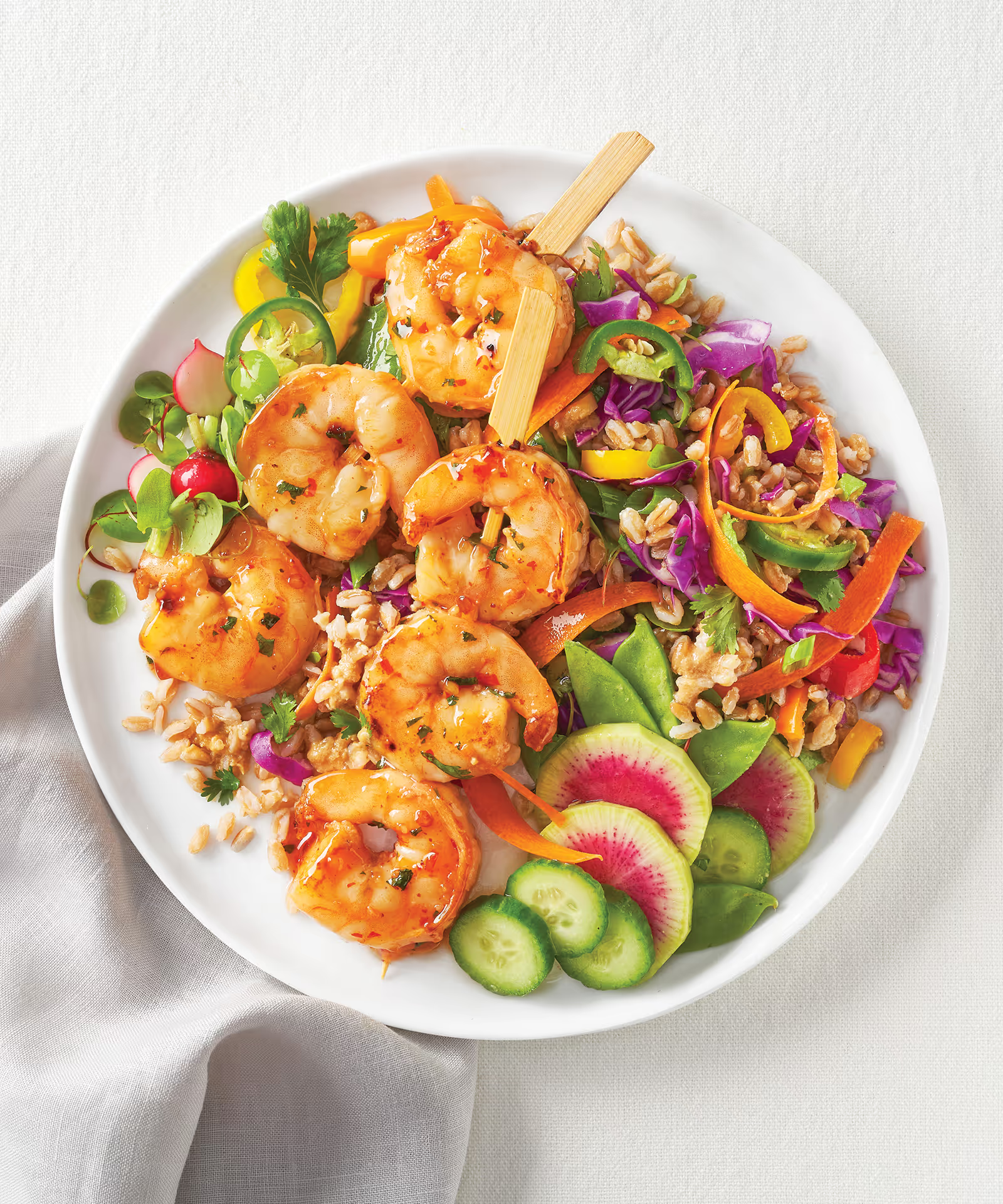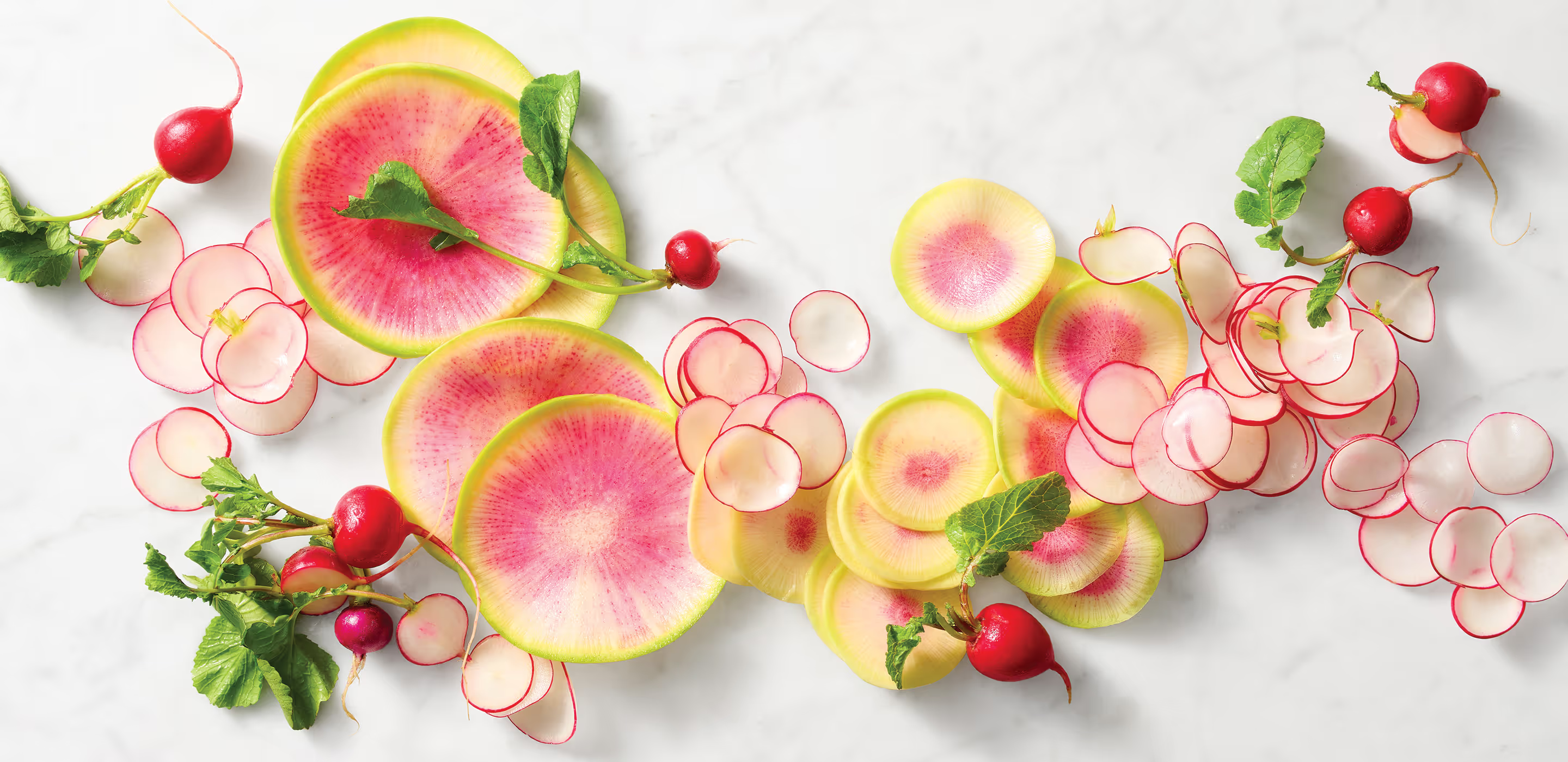
Spring is peak season for these zesty root vegetables. A member of the mustard family Brassicaceae, radishes are available year-round but grow especially well in winter and spring temperatures. Radishes make a healthful addition to the dinner plate, with vitamin C and other antioxidants to protect cells against damage. They also contain fiber to help regulate blood sugar levels. Plus, a ½ cup of sliced radishes contains fewer than 10 calories.
Raw radishes provide a crunchy texture in salads and sandwiches or when served with vegetable dip. Radishes become sweeter and more mild when baked or sautéed. Or roast them with olive oil and fresh herbs. Here’s a look at some interesting varieties:
• Black Spanish: sharp, spicy flavor; black color
• Cherry Belle: sweet, mildly spicy; commonly sold in grocery stores
• Daikon: sweet, lightly spicy flavor; white, carrot-shaped
• Malalga: sweet, mild, earthy; deep plum color
• Watermelon: mild, slightly sweet yet peppery flavor; beautiful pink interior
• White Hailstone: sweet and mild; snow-white color

How to Select
Look for firm radishes with smooth, blemish-free exteriors and full green leaves that are still intact. Smaller radishes tend to have a crisp interior with a hint of sweetness.
How to Clean
Cut off leafy green tops and gently wash radishes under cold water, removing any dirt on their exteriors.
How to Store
Store cleaned whole or sliced radishes in an airtight container or glass jar filled with cold water in the refrigerator up to 2 weeks.
How to Prepare
Feature raw radishes on a crudités platter or roast radishes in the oven with other root vegetables. Pickle sliced radishes with mustard seeds, sugar and white wine vinegar for a zesty condiment.
How to Grow
Sow seeds in spring or fall, following seed packet recommendations. Thin crowded seedlings a week after sprouting so remaining plants have room to mature.