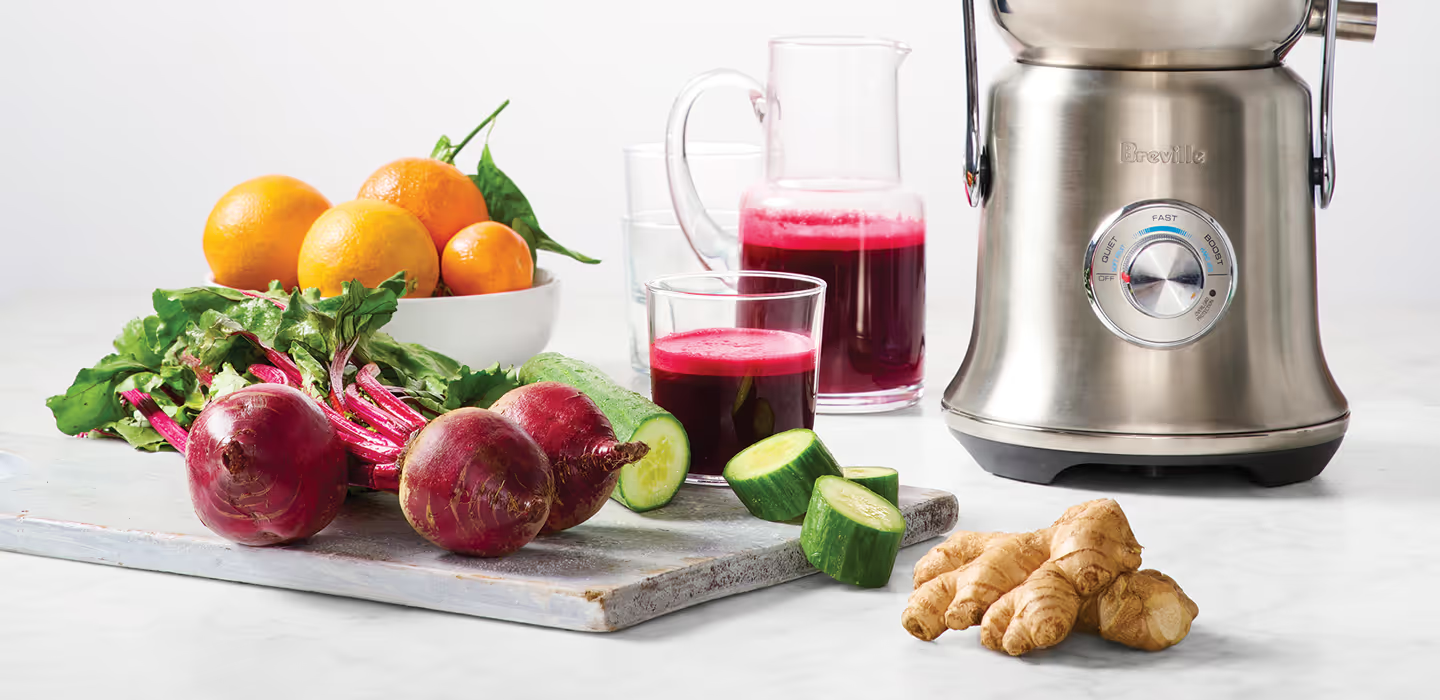
Juicing 101
Pure fresh juices are quick and easy to make, and they contain most of the same nutrients as solid foods.
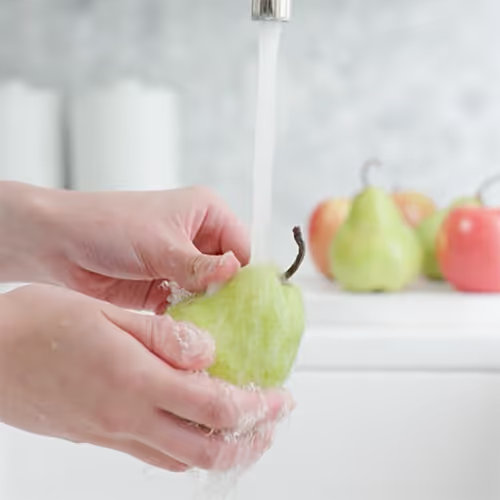
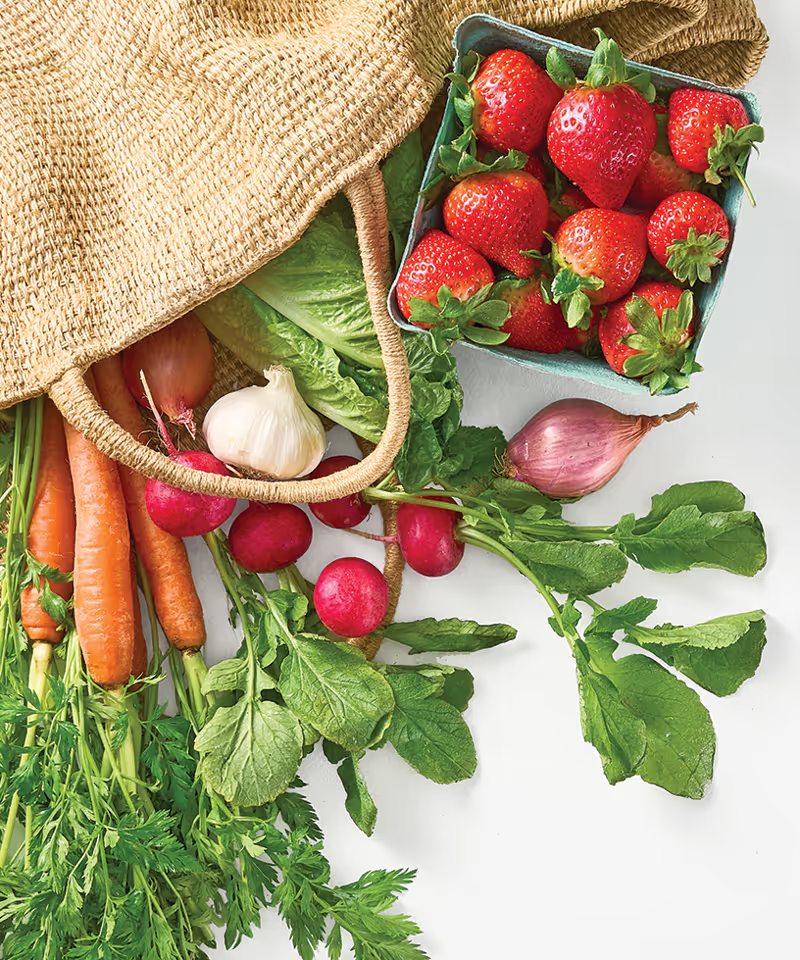
Select Produce: Buy produce that’s fresh, unblemished and free from harsh chemicals. Take advantage of in-season fruits and vegetables at farmers’ markets. Kale, spinach, parsley, wheatgrass and other greens are good candidates for a cold press, which extracts greens’ juices more effectively than a centrifugal press. Nearly all produce is easily juiced.
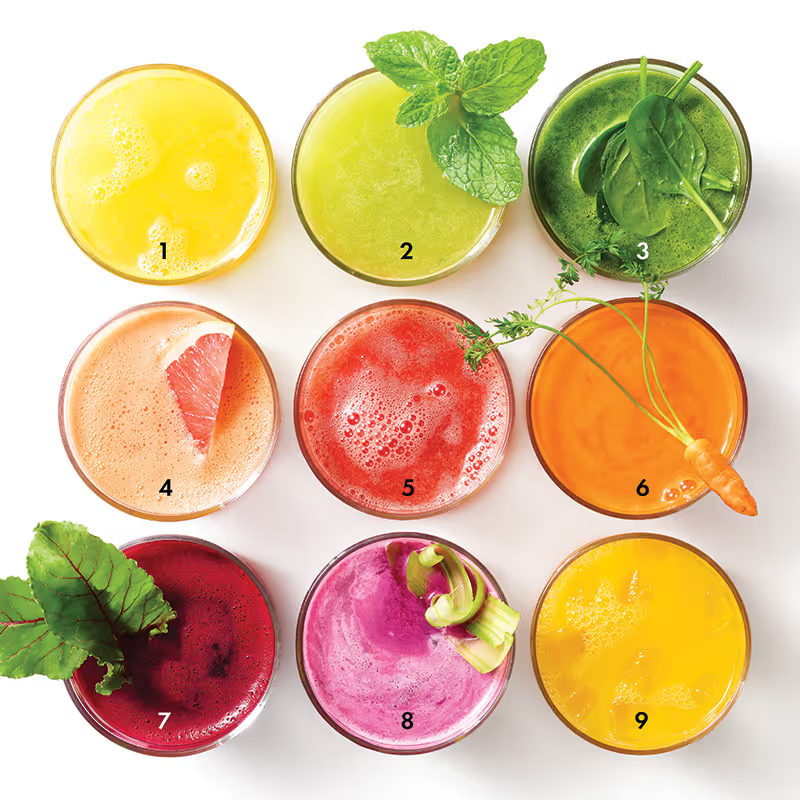
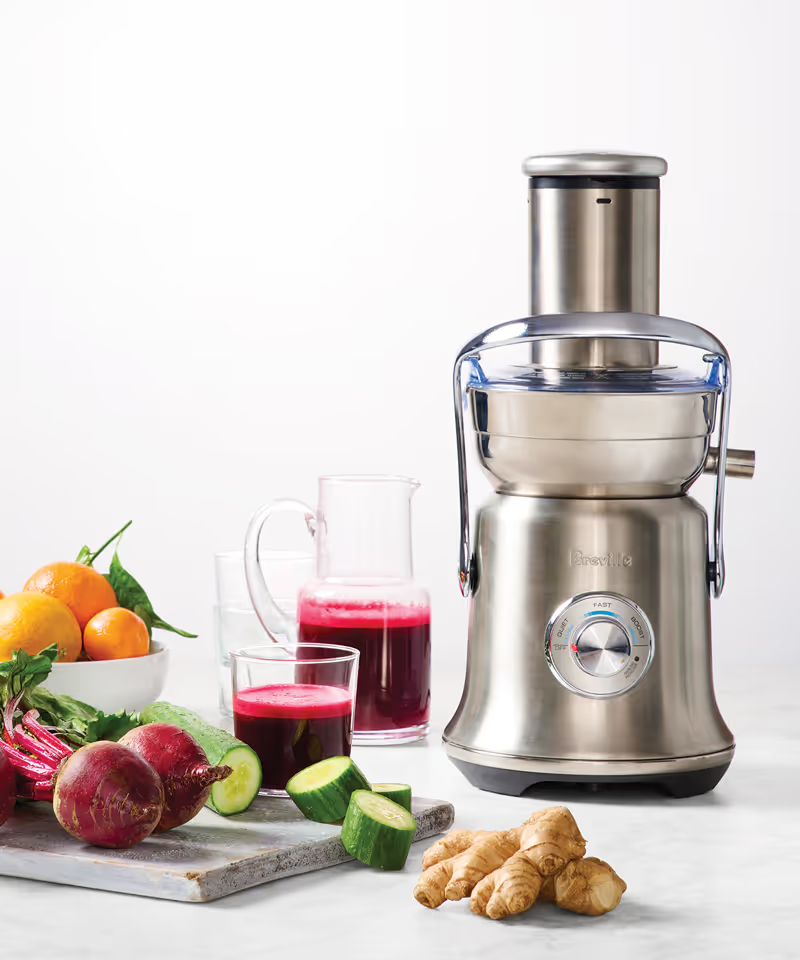
Mix Nutrients: Combining foods puts an array of nutrients into a single drink. For example, carrots pair well with citrus and beets while contributing high levels of vitamin A for eye health. Adding tomatoes to cucumber juice supplies vitamin C, essential for fighting inflammation; lycopene, linked to lower cancer risk; and folate, necessary to make DNA and other genetic material.
What About Fiber? The body quickly absorbs nutrients in juice form because juice lacks fiber. But fiber helps regulate blood sugar, and it creates a sense of fullness that reduces overeating. Juices should not replace whole foods and healthy meals.